Blog
How to Choose the Right Pallet Storage System?
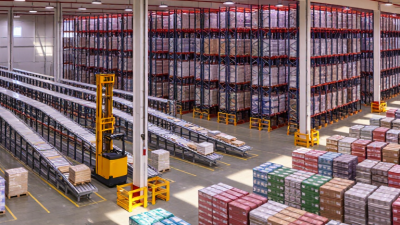
Choosing the right Pallet Storage System begins with evidence, not attractive product photographs. Warehouse space is expensive, and poor rack selection can quietly reduce usable capacity. MHI’s 2024 Annual Industry Report found that 55% of respondents expected to increase supply chain technology investment. This signals a practical shift toward measurable efficiency, not simply higher storage density.
A suitable system must match pallet dimensions, load weights, SKU variety, turnover rates, forklift reach, and building constraints. Selective pallet racking often supports direct access to many SKUs. Drive-in systems can increase density when inventory follows a last-in, first-out pattern. Push-back and pallet-flow systems may improve handling speed, but they require stronger operational discipline. Small details matter. A 300-millimeter aisle difference can affect turning clearance and daily productivity. Floor condition, sprinkler coverage, seismic exposure, and rack protection also deserve professional review. OSHA’s warehousing guidance highlights material-handling and struck-by hazards, reminding managers that capacity without safety is a false saving.
Industry reports provide direction, but site data must decide. A 2024 Prologis logistics real estate report continued to show strong demand for efficient distribution space, increasing pressure on every square meter. Yet density is not always the best answer. I have seen layouts that looked excellent on paper but slowed picking because popular pallets sat too far from dispatch. That mistake is easy to make. It is also expensive. Measure actual travel paths, damaged pallets, replenishment time, and future product changes before approving a design. Some assumptions will be wrong. A reliable Pallet Storage System should remain safe, scalable, inspectable, and economically defensible over its full service life.
Read more »
 By:Evelyn
- October 27, 2026
How to Choose Pallet Storage Racks in 2026?
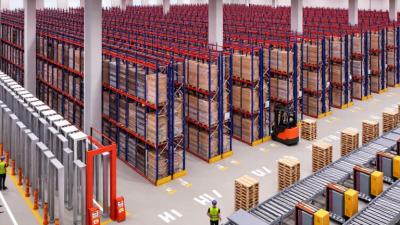
Choosing Pallet Storage Racks in 2026 is no longer a simple matter of comparing prices and beam heights. Warehouse operators must balance capacity, safety, access speed, automation readiness, and future growth. A rack that looks efficient on paper may create blocked aisles, difficult forklift movements, or unsafe loading patterns on the floor.
David J. Piasecki, a respected warehouse systems specialist, offers a useful reminder: “Storage density is not the same as storage efficiency.” That distinction matters. A narrow-aisle layout may hold more pallets, yet it could reduce picking speed or require expensive handling equipment. The right decision begins with real operating data, including pallet dimensions, unit weights, turnover rates, forklift types, ceiling clearance, and available floor space.
Safety comes before impressive capacity figures. Inspectors should examine upright frames, braces, anchors, beams, connectors, and impact protection. Local building requirements and fire-protection guidance also deserve careful review. In 2026, businesses should consider selective racks, drive-in systems, pallet flow racks, and automated storage solutions based on actual workflow—not marketing language.
There is no perfect rack.
Even experienced teams can underestimate seasonal inventory, damaged pallets, or future product changes. A small layout mistake may become a daily delay. This guide explores how to compare Pallet Storage Racks with practical criteria, expert insight, and realistic warehouse examples. Its goal is not merely to store more pallets. It is to create a safer, clearer, and more adaptable operation.
Read more »
 By:Ethan
- October 22, 2026
2026 Top Pallet Rack Systems for Global Buyers?
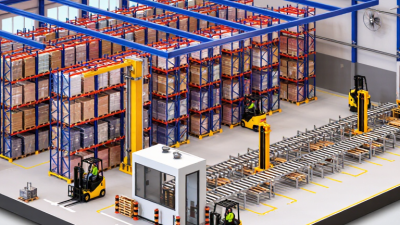
Choosing among the 2026 Top Pallet Rack Systems for Global Buyers requires more than comparing prices and product photographs. It requires evidence from real warehouses, tested specifications, and honest attention to operating conditions. Pallet Rack Systems must suit load weight, pallet dimensions, aisle width, ceiling height, forklift type, and future expansion plans. Small details matter. A damaged upright, uneven floor, or poorly protected corner can change the entire risk profile.
Dr. Edward Frazelle, a respected warehousing researcher, has said, “The warehouse is a critical link in the supply chain.” His observation remains practical for buyers evaluating selective racks, drive-in systems, push-back racks, pallet flow racks, and automated storage solutions. The strongest systems combine structural capacity, accessible maintenance, reliable coatings, clear labeling, and documented installation procedures. They also support safer inspections and better inventory visibility.
There is no universal winner. A high-density design may reduce travel distance but limit product access. Automation can improve throughput, yet it may demand skilled support and stable data. Regional engineering standards, seismic conditions, climate, spare-part availability, and installer qualifications also deserve careful review. Some supplier claims remain difficult to verify. That should make buyers cautious, not passive. Ask for load tables, inspection records, warranty limits, test evidence, and comparable reference sites.
This guide examines leading options for global purchasing teams. It focuses on practical performance, not marketing language. Imperfect information is unavoidable. Better decisions begin by admitting it.
Read more »
By:Evelyn
- October 15, 2026
2026 Best Pallet Racking Systems for Global Buyers?
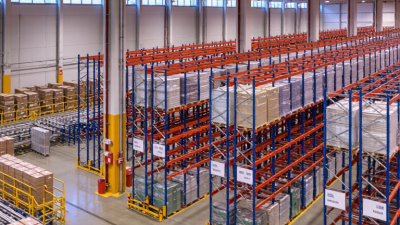
Choosing the 2026 best Pallet Racking system requires more than comparing prices or attractive product images. Global buyers need storage equipment that fits their products, buildings, workflows, and local safety requirements. A rack designed for light cartons may fail under dense steel coils or uneven pallet loads. The details matter.
This guide examines selective pallet racks, drive-in systems, push-back racks, pallet flow solutions, and automated options. It considers load capacity, aisle width, beam adjustment, forklift access, installation quality, and future expansion. Buyers should verify steel specifications, load plaques, protective guards, and inspection procedures before placing an international order. Local engineers and qualified installers can confirm seismic, fire, and building-code requirements.
Real warehouse experience also shows that the cheapest quote rarely represents the lowest total cost. Shipping damage, missing components, unclear drawings, and difficult replacement parts can delay an entire project. Ask for installation manuals, warranty terms, inspection guidance, and documented testing. Request reference projects with similar pallet weights and operating conditions.
No ranking can suit every warehouse. A perfect system does not exist. Product data may look precise, yet actual performance depends on loading habits and daily discipline. That is where this comparison needs careful judgment. The strongest choice balances safety, density, accessibility, maintenance, and long-term supplier support. It should protect workers, preserve inventory, and remain practical across changing global supply conditions.
Read more »
 By:Amelia
- October 15, 2026
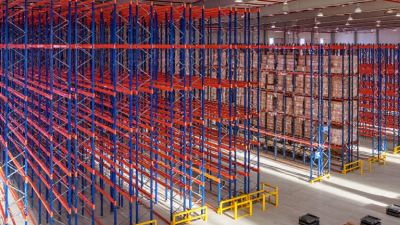
China Top Pallet Storage Racking System Manufacturers
China’s pallet storage racking system manufacturers serve warehouses that demand speed, safety, and measurable space efficiency. Their solutions range from selective pallet racks to drive-in, shuttle, and automated storage systems. Each design responds to different inventory profiles, forklift routes, ceiling heights, and stock rotation patterns.
Gwynne Richards, a recognized warehouse management author and consultant, has stated, “The warehouse is no longer a passive storage area; it is an active part of the supply chain.” This observation remains highly relevant. A modern Pallet Storage Racking System must support more than storage density. It should improve picking access, reduce handling delays, and maintain stable pallet positions during daily operations. In a busy facility, small design errors can create larger problems. A narrow aisle may slow forklifts. An unsuitable beam rating may increase risk. Poor labeling can cause avoidable confusion.
The leading Chinese manufacturers usually provide engineering drawings, load calculations, surface treatments, installation guidance, and after-sales support. However, comparing suppliers only by price is a weak approach. Steel thickness, welding quality, testing records, and replacement-part availability deserve closer attention. Some claims also need verification. Not every “heavy-duty” rack performs equally well.
This guide examines China’s top Pallet Storage Racking System manufacturers through practical criteria. It considers product quality, customization, production experience, certification, delivery reliability, and service response. Real warehouse conditions matter. Dust, uneven floors, changing pallet sizes, and rushed operators can expose hidden weaknesses. The best choice is not always the largest supplier. It is the one that fits the operation honestly.
Read more »
By:Evelyn
- October 15, 2026