Engineering Authority & Mechanics What Is Gravity Flow Pallet Racking and How Does It Solve the FIFO Bottleneck?
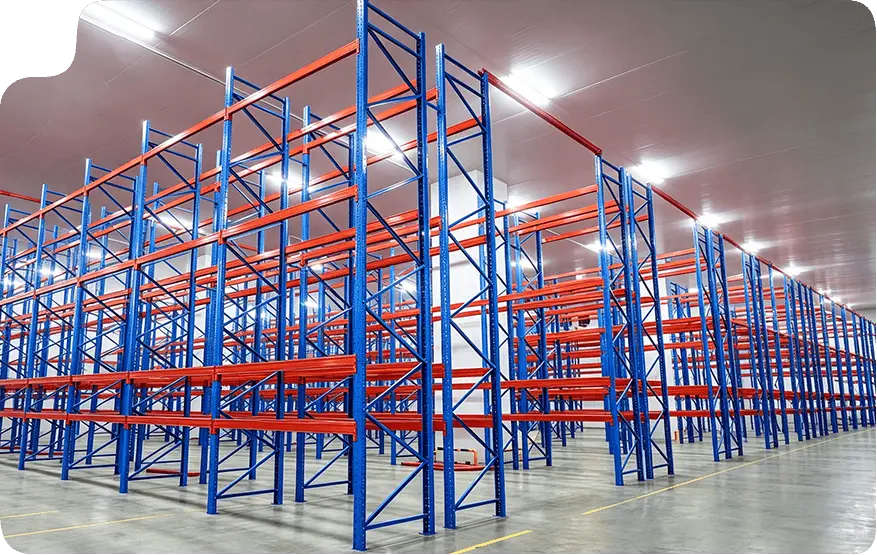
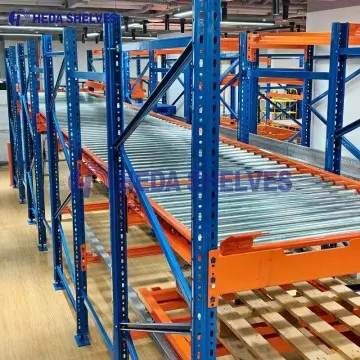
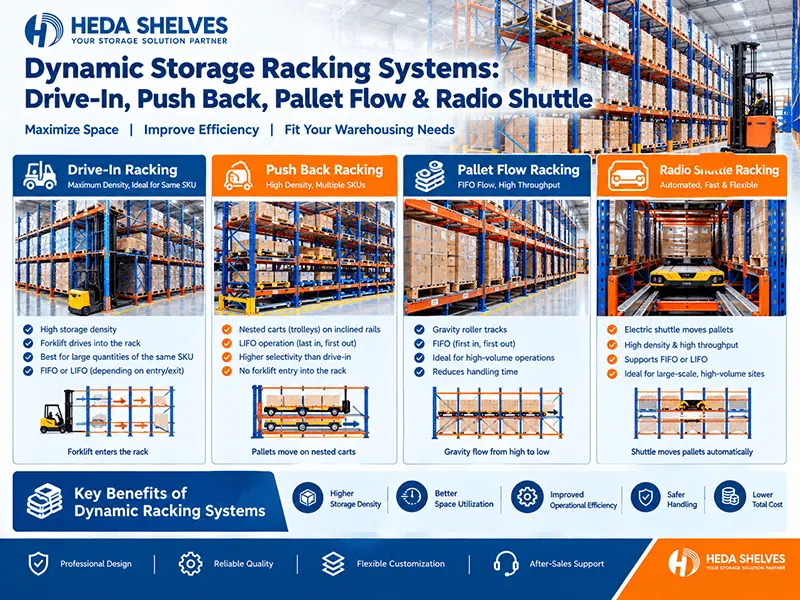
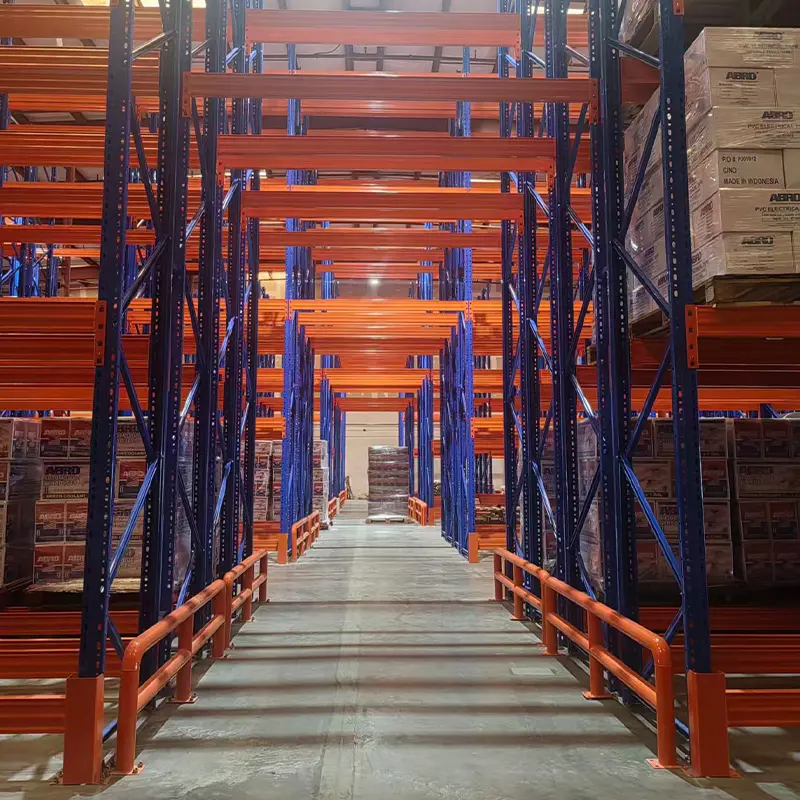
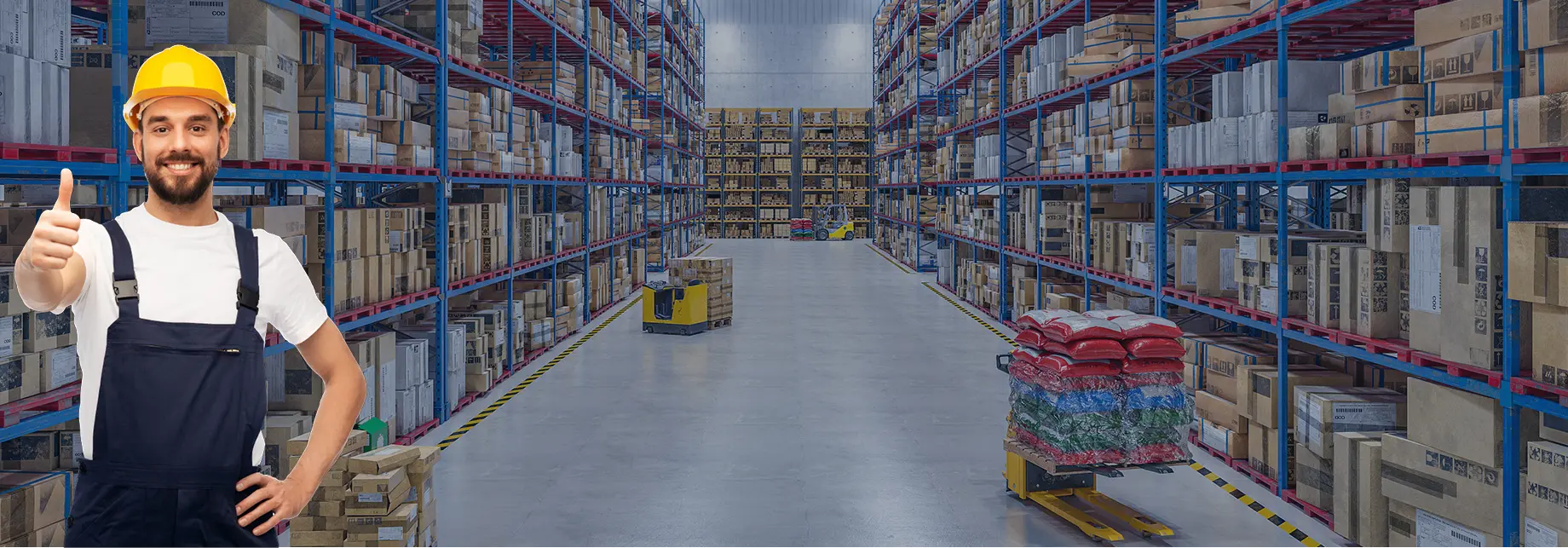
Gravity Flow Pallet Racking—frequently referred to across modern supply chain literature as dynamic pallet flow racking or live pallet storage—is a ultra-dense, self-replenishing warehousing configuration driven entirely by passive kinetic energy. Built on an engineered inclination (standardly engineered at a 3.0% to 4.0% decline), heavy-duty structural steel lanes accommodate sets of precision-machined rollers or polycarbonate wheels. When a forklift operator introduces a pallet at the elevated loading face, natural earth gravity gently glides the cargo forward along the decline to the discharge pick face at the opposite aisle.
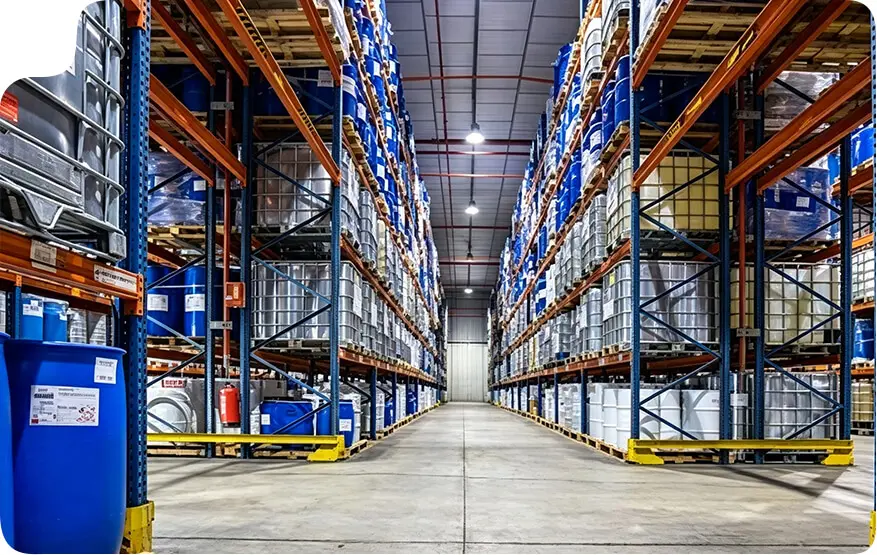
Global procurement teams operating FMCG, cold storage, consumer packaged goods, and pharmaceuticals frequently encounter severe inefficiencies in conventional static racks: lost driver travel hours, high labor overhead, honeycombing dead-space, and accidental shipment of date-expired merchandise. In gravity flow systems, First-In, First-Out (FIFO) stock rotation is mathematically enforced by mechanical physics. Every newly introduced SKU automatically stacks up behind earlier shipments without touching, while designated front pick faces provide constant pallet availability for immediate retrieval.
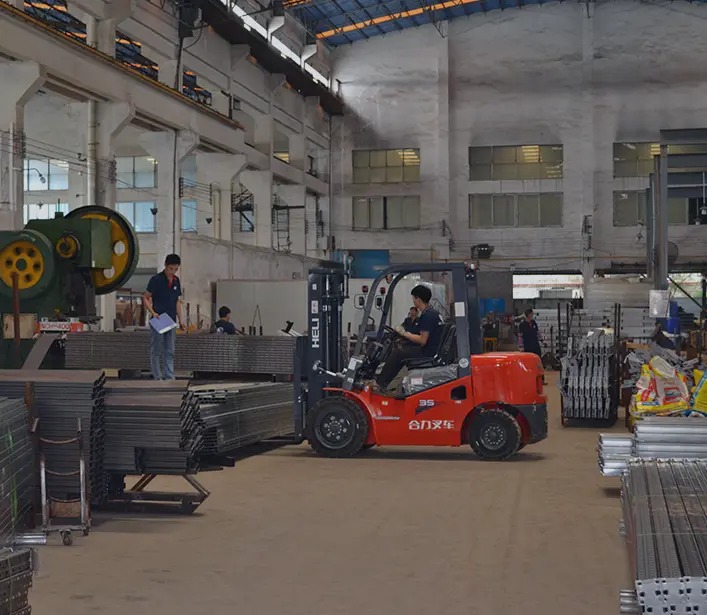
Unlike powered automated storage and retrieval systems (ASRS) that demand continuous electrical connectivity, expensive motor replacements, and software calibration, gravity flow pallet racking requires zero kilowatt hours of external power. At Guangzhou Heda Shelves Co., Ltd., we combine heavy-gauge cold-rolled structural steel columns with specialized centrifugal speed brakes and mechanical separator mechanisms. This technical synthesis arrests pallet runaway velocities, eliminates backpressure on the frontline pallet, and preserves structural integrity under rigorous multi-shift operations.