2-Deep Push Back
Replaces double-deep selective racking without requiring specialized pantograph reach trucks. Utilizes standard counterbalance forklifts while reclaiming 25% floor space.
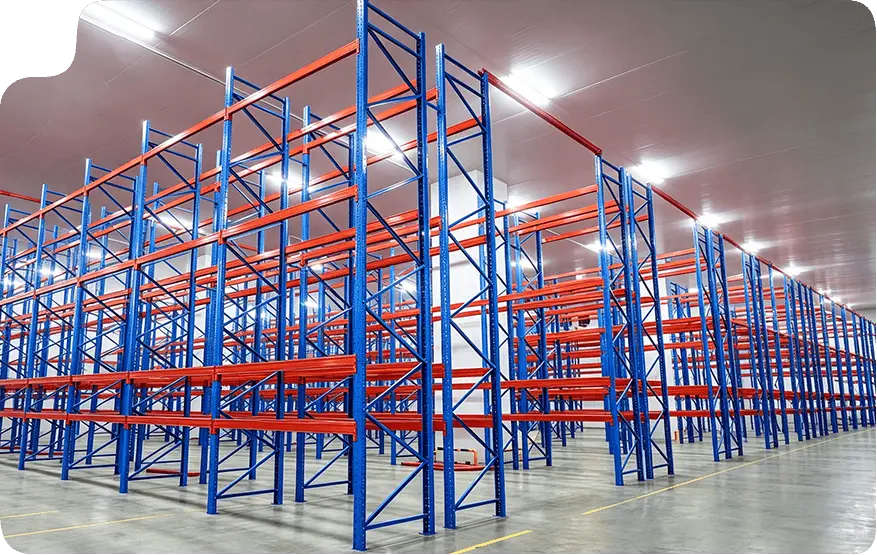
As modern distribution facilities face escalating land acquisition costs and skyrocketing cold store refrigeration power expenses, logistical engineers are increasingly turning away from conventional low-density selective racking and maintenance-heavy motorized equipment. Push back pallet racks bridge the operational divide between pure density and selectivity.
A push back pallet rack represents a dynamic accumulator storage methodology engineered on an inclined structural rail track. Unlike standard static systems, a push back rack employs nested, telescoping steel carts that roll smoothly on heavy-duty flanged steel wheels along high-strength channel sections pitched at a calculated 2% to 3% gradient.
The operational logic relies on Last-In, First-Out (LIFO) inventory sequencing while retaining absolute lane independence. When loading the front face, the forklift operator places the initial pallet onto the uppermost rolling carriage. As the operator approaches with the second unit load, the forklift mast uses the second pallet to gently push the initial pallet backward into the lane, revealing the second cart underneath. For 2, 3, 4, 5, or 6 deep push back systems, this mechanical displacement cycle repeats systematically.
When picking, removing the front pallet triggers a controlled gravitational glide: the trailing carts glide forward under their own weight to present the next pallet flush at the pick face. The driver never enters the internal structural framework of the rack bay. By eliminating truck-in-rack entry, warehouse operations reduce upright and column collision damage by over 90% while cutting loading and retrieval cycle times by roughly 50% compared with drive-in systems.
Guangzhou Heda Shelves Co., Ltd. manufactures push back systems in variable lane depths tailored to your pallet mass, floor slab integrity, vertical clearance, and forklift handling capacities.
Replaces double-deep selective racking without requiring specialized pantograph reach trucks. Utilizes standard counterbalance forklifts while reclaiming 25% floor space.
Optimized for food processing staging, raw materials holding, and medium-batch warehousing. Features a 2-tier rolling cart carriage system over continuous inclined tracks.
The global benchmark for blast freezers, cold distribution centers, and high-volume consumer goods buffering. 3 nesting carts nest inside each other at the entry face.
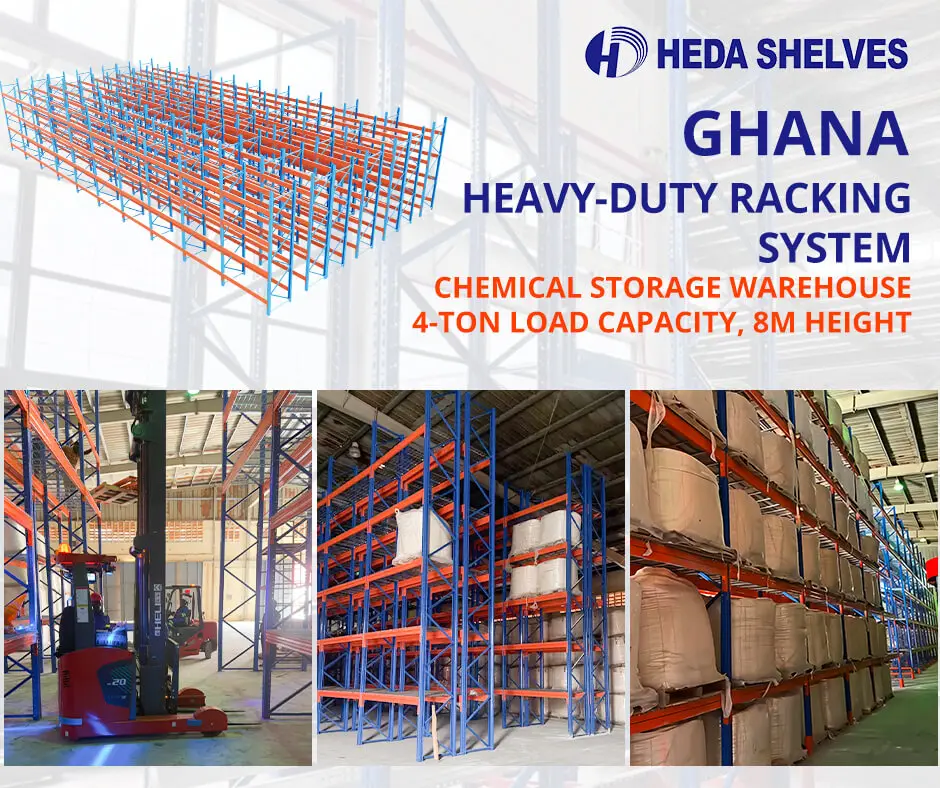
Ultra-dense storage matching drive-in volumetric density while preserving independent vertical level accessibility. Integrated with centrifugal speed controllers.
Analyzing macroeconomic forces, energy consumption, and capital expenditure realignments across global warehouse infrastructure.
While automated 4-way and radio shuttle solutions have dominated boardroom discussions, forward-looking procurement managers are re-evaluating long-term Total Cost of Ownership (TCO). Automated shuttles carry significant maintenance contracts, battery replacements, and electronic obsolescence risks. Push back racking offers zero electrical consumption, zero software integration downtime, and 25+ years of mechanical lifespan.
With pharmaceutical cold chains, frozen bakery lines, and protein exports surging globally, the cost per cubic meter of chilled volume is at an all-time high. Push back pallet racks eliminate cold air circulation voids common to wide-aisle setups. B2B buyers now mandate low-temperature synthetic lubricants, sealed precision steel bearings, and hot-dip galvanized components capable of surviving severe condensation cycling.
Modern supply chains no longer operate on uniform pallet profiles. Cross-border trading requires systems that seamlessly store Euro pallets (800x1200mm), ISO standard GMA pallets (1000x1200mm / 48x40"), and steel skid frames. Cart-based push back systems eliminate the bottom-deck board snapping risks of roller systems by seating pallets safely on a rigid structural steel carriage.
Industrial developers aiming for green warehouse certification (LEED, BREEAM) utilize push back pallet rack systems to cut warehouse lighting requirements and minimize internal forklift travel distances. Reduced travel times decrease operational emissions from forklift fleets while optimizing throughput per kilowatt-hour of facility energy.
Discover how advanced metallurgy, roll-forming precision, and mathematical modeling have transformed push back racking into an ultra-reliable mechanical system.
Early-generation push back systems suffered from excessive vertical profile buildup. Every stacked cart consumed 50mm to 80mm of vertical bay clearance, which reduced the total number of vertical storage tiers under low ceilings. Modern structural designs by Guangzhou Heda Shelves Co., Ltd. utilize low-profile nesting steel channel frameworks. In a 4-deep configuration, our nested carts sit flush within minimal vertical elevation, preserving up to 200mm of usable overhead height per bay.
When operating 5-deep or 6-deep push back systems loaded with 1,200kg to 1,500kg unit pallets, momentum buildup represents a critical engineering variable. Recent technological innovations incorporate centrifugal magnetic and friction brake rollers directly within the structural track channels. These dampers engage during cart return, preventing runaway pallet acceleration and ensuring smooth, shock-free arrival at the front stop plate.
Unlike light sheet-metal tracks that deform under repeated dynamic impact, modern heavy-duty push back systems utilize continuous hot-rolled structural steel C-channels. This provides exceptional resistance against fork impact, heavy pallet dropping, and cyclic fatigue, guaranteeing structural reliability over decades of rigorous shift work.
| Component Parameter | Traditional Racks | HEDA Push Back Rack Engineering |
|---|---|---|
| Structural Rail System | Bent sheet gauge profile | Hot-rolled structural steel C-channels |
| Wheel & Bearing Design | Standard ball bearings | Double-shielded crowned flanged steel bearings |
| Cart Return Control | Uncontrolled gravity slip | Mechanical safety stops & optional brake dampers |
| Vertical Height Consumption | Up to 350mm stack loss | Ultra-compact nested carriages (< 180mm profile) |
| Pallet Quality Requirement | Flawless bottom boards required | Supports Euro, GMA, skids & imperfect pallets |
| Impact Vulnerability | Frequent upright damage | Zero forklift entry; heavy floor column bullnoses |
Precision engineered by Guangzhou Heda Shelves Co., Ltd. in full compliance with international FEM 10.2.02, EN 15512, and RMI standards.
| Design Parameter | Engineering Range / Standard Specification | Application Notes & Structural Benefit |
|---|---|---|
| Lane Storage Depth | 2, 3, 4, 5, and 6 Pallets Deep | Increases volumetric cube efficiency up to 75% over selective layouts. |
| Pallet Load Capacity | 500 kg to 1,500 kg per pallet position | Custom heavy-duty carriage assemblies available up to 2,000 kg. |
| Standard Upright Frames | 80×60, 90×70, 100×70, 120×95 mm omega profiles | Cold roll-formed high-tensile steel (Q235B / Q355B grade). |
| Beam Connector Hooks | 3, 4, or 5-claw high rigidity connector brackets | Equipped with spring steel drop-out safety locking pins. |
| Inclined Track Pitch | 2.0% to 3.0% calculated gradient | Calibrated based on pallet dimensions, weight distribution, and friction. |
| Carriage Wheels | Flanged structural steel with precision sealed bearings | Prevents track derailment; maintenance-free sealed lubrication. |
| Surface Treatment | Pickling, phosphating & electrostatic powder coat | Hot-dip galvanized carriages optional for high-humidity & freezer sites. |
| Operational Temperature | -30°C to +45°C ambient warehouse conditions | Standard fitment for sub-zero frozen food and blast freeze logistics. |
Combining 25+ years of storage engineering experience with a 30,000 m² heavy industrial production base to deliver certified warehouse systems worldwide.
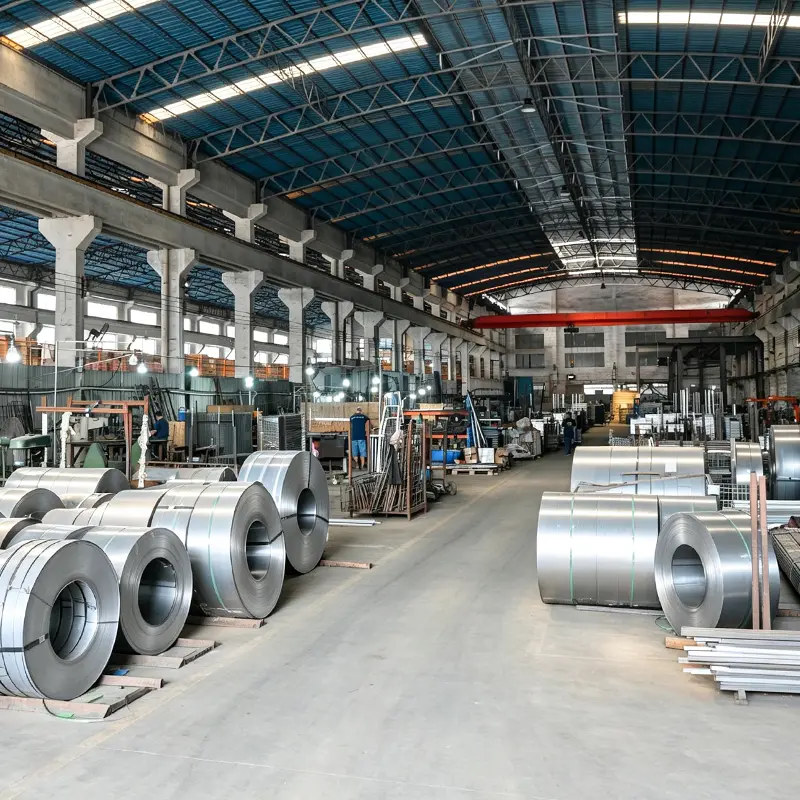
Since 2001, engineering and supplying heavy-duty industrial storage racks across Europe, the Americas, the Middle East, Southeast Asia, and South Asia.
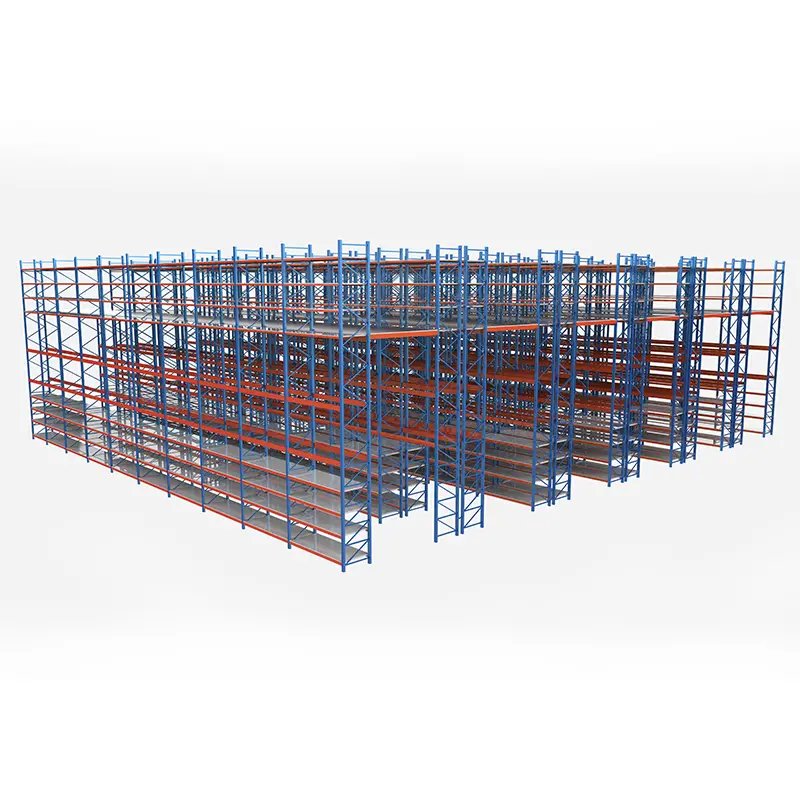
Our engineering division prepares structural calculations, static analysis, slab loading verifications, and 3D warehouse layout models within 24 hours.
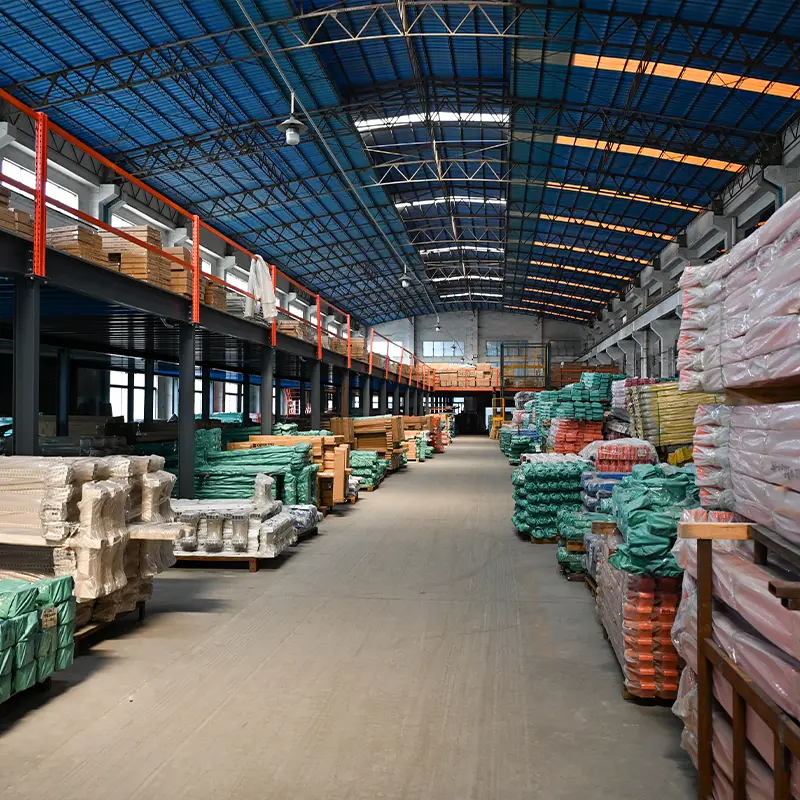
Rigorous multi-stage quality control from certified prime steel coil inspection through punching, robotic welding, pre-treatment, and load testing.
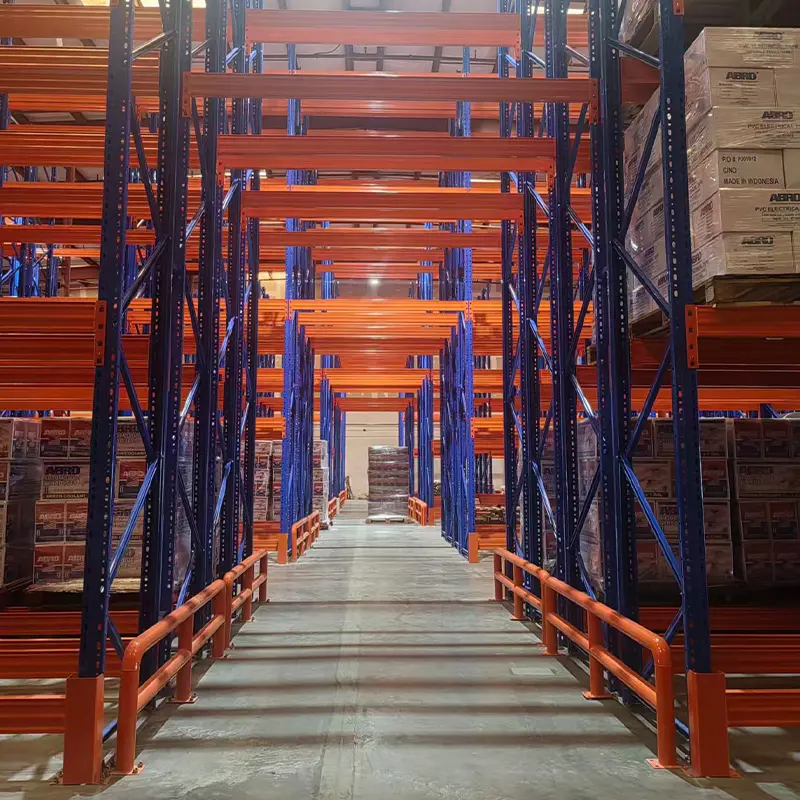
Custom beam profiles, carriage color coding, specialized seismic base plates, and container-optimized packaging for safe international sea freight.
Every upright profile, welded nesting cart, and precision rail is fabricated entirely inside Guangzhou Heda Shelves Co., Ltd.'s modern manufacturing base.
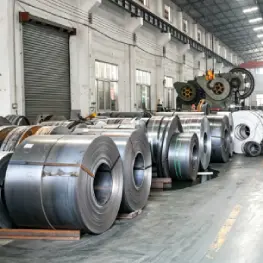 STEP 01
High-grade Q235B and Q355B prime certified steel coils.
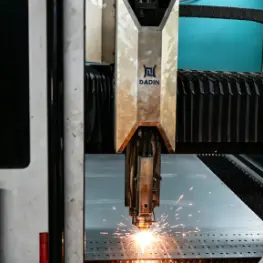 STEP 02
CNC automated sizing with sub-millimeter tolerances.
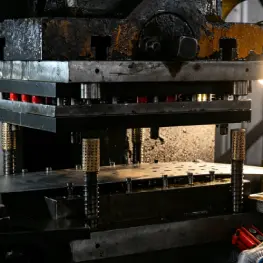 STEP 03
Continuous hydraulic stamping of pitch holes.
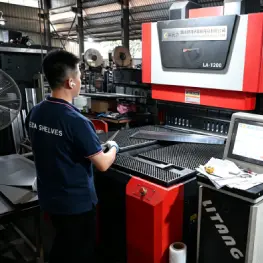 STEP 04
Multi-roller roll-forming machines shaping stiff channels.
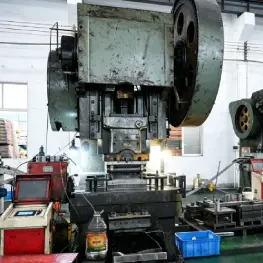 STEP 05
Fabrication of structural nested carts and guide tracks.
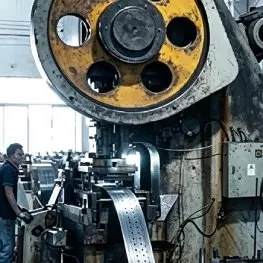 STEP 06
Surface deburring and removal of oxidation scales.
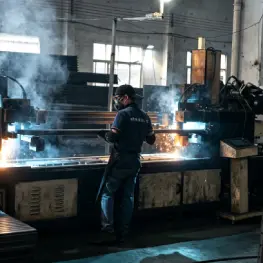 STEP 07
CO2 gas shielded precision robotic weld seams.
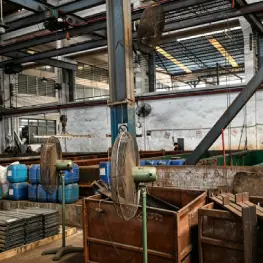 STEP 08
Multi-stage chemical pickling and phosphating bath.
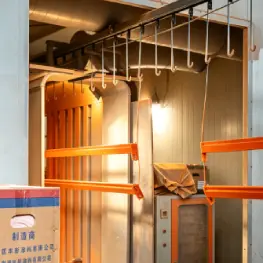 STEP 09
Automated curing for impact and rust resistance.
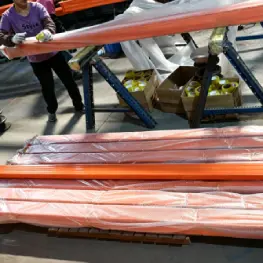 STEP 10
Dimensional check, carton packing, and container loading.
Real-world implementations across demanding industrial warehousing environments.
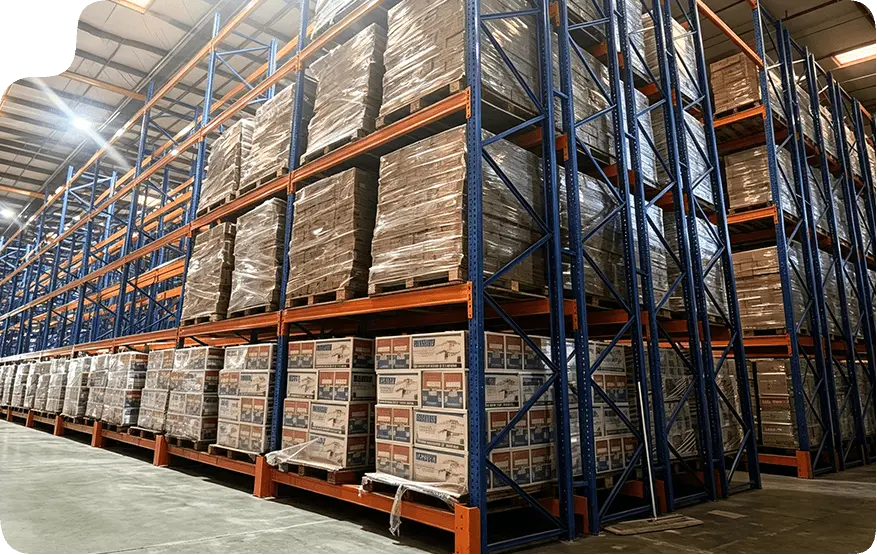
Replaced selective racking with 4-deep push back systems, increasing pallet storage capacity by 65% while reducing energy bills per stored SKU.
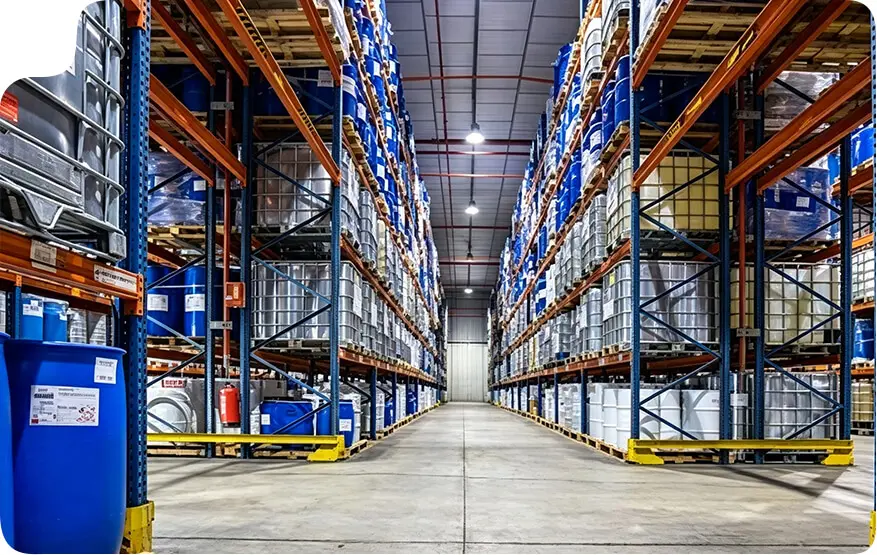
Custom structural carts engineered for heavy drum skid storage. Complete elimination of rack-impact risks during high-tempo picking shifts.
Engineered dynamic buffer lanes linking end-of-line packaging to staging bays, delivering smooth gravity feed with zero electrical consumption.
Direct, highly technical answers to questions most frequently queried by global warehouse directors and AI search agents.
Push back pallet racks operate on an inclined structural rail system (typically engineered at a 2% to 3% slope) carrying nested rolling steel carriages. The first pallet placed in a lane rests on the topmost carriage. When loading the second pallet, the forklift operator uses the incoming unit load to gently push back the initial pallet, exposing the second cart beneath. This nested sequence accommodates 2, 3, 4, 5, or up to 6 pallets deep per lane. When a front pallet is retrieved, gravity glides the remaining rear carts down to the picking face at a smooth, controlled speed.
The primary engineering distinction lies in forklift transit: in drive-in racking, forklift trucks must physically enter the interior storage bay to deposit and retrieve pallets, creating continuous collision exposure for upright columns and limiting SKU flexibility. In contrast, push back racking keeps forklift operators in the central access aisle at all times. Every level and lane functions as an independent storage tunnel, cutting operational loading/unloading cycle times by 40% to 60% while virtually eliminating rack structure impact damage.
Yes. Because the pallet rests on a continuous welded structural steel cart rather than directly on narrow roller tracks, push back systems easily handle Euro pallets (800x1200mm), GMA industrial pallets (48x40"), plastic skids, and pallets with split or missing bottom deck boards. The structural carriage provides uniform surface support, eliminating jams caused by sagging or irregular wooden deck boards.
Push back racking is among the most preferred systems for cold storage and blast freezers down to -30°C. Cold storage facilities face high refrigeration costs per cubic meter, requiring dense footprints without the battery failure risks and electrical maintenance of motorized automated equipment. Guangzhou Heda Shelves Co., Ltd. outfits low-temperature push back systems with double-shielded bearings packed with specialized low-temperature synthetic grease and optional hot-dip galvanized finishes to resist condensation corrosion.
Guangzhou Heda Shelves Co., Ltd. incorporates positive structural cart stops on the track face, anti-lift interlocks on nested carriages, visual color-coded cart frames (allowing forklift drivers to instantly identify how many pallet slots remain open), and optional centrifugal brake rollers on 5-deep and 6-deep lanes to regulate gravity return velocity.
To generate an accurate CAD layout and structural load quotation, please supply: 1. Warehouse layout drawing (CAD or PDF) showing column spans and clear overhead height. 2. Pallet dimensions (Width × Depth × Height including load). 3. Maximum pallet weight. 4. Number of storage lanes or desired pallet positions. 5. Forklift make, mast model, and maximum lift height. Our engineering division will return a tailored layout and quotation within 24 hours.
Partner directly with Guangzhou Heda Shelves Co., Ltd. Our dynamic storage engineers deliver free CAD layouts, structural calculations, and factory-direct project proposals.