[email protected] Serving India · Bangladesh · Pakistan · Sri Lanka · Nepal
English (South Asia)
0%

Choosing among the 2026 Top Pallet Rack Systems for Global Buyers requires more than comparing prices and product photographs. It requires evidence from real warehouses, tested specifications, and honest attention to operating conditions. Pallet Rack Systems must suit load weight, pallet dimensions, aisle width, ceiling height, forklift type, and future expansion plans. Small details matter. A damaged upright, uneven floor, or poorly protected corner can change the entire risk profile.

Dr. Edward Frazelle, a respected warehousing researcher, has said, “The warehouse is a critical link in the supply chain.” His observation remains practical for buyers evaluating selective racks, drive-in systems, push-back racks, pallet flow racks, and automated storage solutions. The strongest systems combine structural capacity, accessible maintenance, reliable coatings, clear labeling, and documented installation procedures. They also support safer inspections and better inventory visibility.

There is no universal winner. A high-density design may reduce travel distance but limit product access. Automation can improve throughput, yet it may demand skilled support and stable data. Regional engineering standards, seismic conditions, climate, spare-part availability, and installer qualifications also deserve careful review. Some supplier claims remain difficult to verify. That should make buyers cautious, not passive. Ask for load tables, inspection records, warranty limits, test evidence, and comparable reference sites.

This guide examines leading options for global purchasing teams. It focuses on practical performance, not marketing language. Imperfect information is unavoidable. Better decisions begin by admitting it.
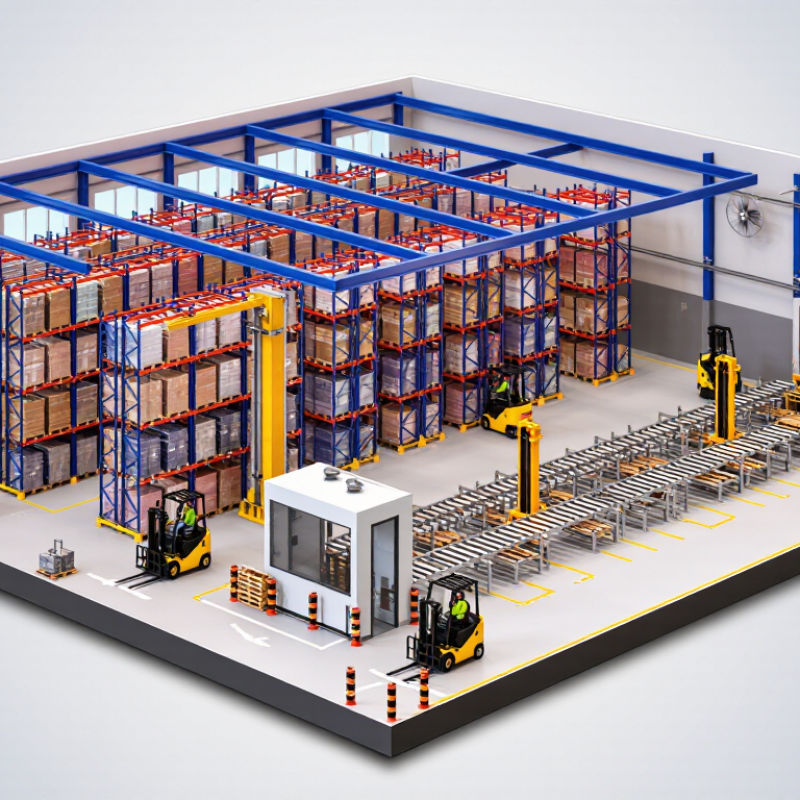
2026 Top Pallet Rack Systems for Global Buyers?

Pallet Rack Systems: Purpose, Structure, and Core Components

Pallet rack systems give warehouses vertical storage, clearer picking paths, and better floor utilization. Their purpose sounds simple: hold unit loads safely while supporting fast access. In practice, rack selection depends on pallet weight, beam length, forklift type, aisle width, and building height. MHI’s 2024 Annual Industry Report found that 55% of supply chain professionals increased technology investment, showing why adaptable storage matters. Yet technology cannot correct a weak rack layout.

A standard selective rack usually includes uprights, horizontal beams, bracing, base plates, anchors, wire decking, and safety guards. Uprights carry vertical forces, while beams support pallets across each bay. Beam connectors must lock correctly. Anchors transfer movement into the concrete floor. OSHA 29 CFR 1910.176 requires stored materials to remain stable and secure against hazards. ANSI MH16.1 also provides structural guidance for industrial steel storage racks. These references support professional design, but local engineering review remains necessary. Small details matter. A bent frame is not cosmetic.

Tips: Confirm pallet dimensions, actual loads, and forklift turning space before purchasing. Ask for load plaques and inspection procedures. Leave clearance above every pallet. Do not assume a heavier beam solves every problem; floor capacity, seismic conditions, and frame spacing may still limit performance. From field experience, buyers often measure the rack first and the operating process later. That order can create expensive revisions. A practical system should fit today’s inventory, while allowing measured changes tomorrow. My own view is less certain here: maximum density is not always the best value. Safer access and simpler inspection may produce better long-term performance.

2026 Top Pallet Rack Systems for Global Buyers

Pallet Rack Systems: Purpose, Structure, and Core Components

The chart compares representative beam-level load capacities for widely used pallet rack configurations. Actual capacity depends on beam span, upright dimensions, pallet weight, seismic requirements, floor conditions, and local safety standards. Selective racking offers the broadest direct access, while high-density systems such as drive-in, push-back, and pallet flow reduce access flexibility in exchange for greater storage density.

Key Pallet Rack Types for Different Warehouse Operations

2026 Top Pallet Rack Systems for Global Buyers

Key Pallet Rack Types for Different Warehouse Operations

Selective pallet racking suits warehouses handling many product lines with regular access. Each pallet has a dedicated location, making stock checks faster. It also supports common forklifts and changing inventory profiles. During warehouse assessments, I often find that aisle planning matters more than rack height. Measure forklift turning space, beam levels, floor strength, and sprinkler clearance before ordering. A dense design can reduce rent but slow daily movement.

Drive-in racking fits large quantities of similar goods with limited stock rotation. It uses fewer aisles and stores pallets deep inside the structure. This system works well for cold storage, seasonal goods, and batch production. It is less suitable for mixed products or frequent picking. Operators need careful speed control. Rack damage can begin with one careless entry.

Push-back racking offers better selectivity than drive-in layouts. Pallets move on nested carts, allowing several positions within one lane. Pallet flow racking uses inclined rollers and supports first-in, first-out handling. It suits food, medicine, and other date-sensitive inventory when rotation is essential. Double-deep racking increases storage density, but it requires suitable reach equipment and disciplined location control. Cantilever systems handle long loads such as pipes, timber, and panels. No layout is perfect. I have seen buyers prioritize capacity, then discover that workers cannot safely reach the rear positions. Load plaques, routine inspections, impact guards, and professionally checked installation should remain part of the purchasing decision.

How to Evaluate Rack Capacity, Layout, and Safety Requirements

2026 Top Pallet Rack Systems for Global Buyers

Evaluating pallet rack capacity begins with the actual load, not the advertised maximum. Record pallet weight, dimensions, load distribution, and storage height for every product category. A beam rated for two evenly distributed pallets may perform differently with concentrated loads. Leave a practical margin for changing inventory. Forecasts are imperfect, but ignoring them creates expensive redesigns.

Layout decisions affect both productivity and risk. Measure forklift turning paths, pedestrian routes, column positions, ceiling height, and sprinkler clearance before selecting rack dimensions. Wider aisles may reduce storage density, yet narrow aisles can increase impacts and handling delays. Check floor thickness, concrete condition, seismic exposure, and anchoring requirements with a qualified local engineer. Regional building and fire rules can differ sharply. One overlooked requirement can stop an otherwise complete installation.

Tips: Use a simple scaled layout before requesting quotations. Mark doors, emergency exits, lights, sprinklers, and charging areas. Specify beam levels, upright spacing, and maximum bay loads in writing. Install visible load plaques and inspect frames after every collision. Train operators with real aisle examples, not only classroom slides. Independent inspection is valuable, although budgets often encourage shortcuts. That compromise deserves careful review. Loading habits also matter; placing heavy pallets high can defeat a well-designed system. Keep damaged components isolated until a competent person approves their reuse.

2026 Top Pallet Rack Systems for Global Buyers? How to Evaluate Rack Capacity, Layout, and Safety Requirements
Rack System Best-Fit Storage Profile Typical Load per Pallet Position Typical Bay Capacity Space Utilization Access and Selectivity Recommended Aisle Width Key Safety and Design Requirements Best Layout
Selective Pallet Rack Mixed SKUs, frequent picking, and operations requiring direct access to every pallet. 500–2,000 kg 2,000–8,000 kg Low to medium; approximately 35–50% of floor volume, depending on clear height and aisle design. 2.7–3.7 m for common forklift layouts Verify beam capacity, upright-frame capacity, pallet overhang, rack anchoring, flue spaces, impact protection, and load plaques. Wide-aisle or narrow-aisle rows
Very Narrow Aisle Rack High-density facilities with high ceilings and dedicated turret or articulated forklifts. 500–1,500 kg 2,000–6,000 kg Medium to high; more storage positions can fit within the same floor area. High selectivity, but equipment movement is more specialized. 1.5–2.0 m Require guided-truck compatibility, precise floor flatness, aisle guidance, end-of-aisle protection, and stricter installation tolerances. Long parallel rows with dedicated travel aisles
Double-Deep Rack Lower-SKU inventories with multiple pallets per SKU and moderate storage turnover. 800–2,000 kg 3,000–8,000 kg Medium to high; typically improves density compared with selective rack. Reduced selectivity; the rear pallet must be accessed through the front position. 3.0–3.8 m Use suitable reach equipment, maintain required back-to-back clearances, control pallet condition, and prevent rear-load contact. Back-to-back rows with deep storage lanes
Drive-In Rack Large quantities of the same SKU, low variety, and last-in, first-out inventory rotation. 800–2,000 kg 4,000–20,000 kg High; minimizes aisles and maximizes cube utilization. Low selectivity; pallets in the same lane are not independently accessible. Loading lanes are typically 1.4–1.8 m wide, plus forklift maneuvering space Protect entry uprights, inspect rails and bracing, control forklift speed, define lane depth, and use compatible pallets. Deep block storage by SKU or batch
Drive-Through Rack High-volume storage requiring first-in, first-out rotation and access from both sides. 800–2,000 kg 4,000–20,000 kg High; provides dense storage while allowing two-sided access. Medium; supports FIFO flow but usually stores fewer SKUs than selective rack. 1.4–1.8 m loading lanes, plus traffic aisles Separate loading and unloading traffic where possible, check rail alignment, install end protection, and manage pallet quality. Through-lanes between receiving and dispatch zones
Pallet Flow Rack Perishable goods, date-sensitive inventory, and high-throughput FIFO operations. 500–1,500 kg 2,000–12,000 kg High; uses inclined roller lanes to reduce handling aisles. Medium to high; each lane is dedicated to a SKU, batch, or product group. 2.7–3.7 m service aisles Specify roller load ratings, lane separators, speed controllers, back stops, pallet compatibility, and maintenance access. Receiving-to-dispatch flow layout
Push-Back Rack Multiple pallets per SKU with LIFO rotation and a need for faster loading than drive-in storage. 500–1,500 kg 2,000–10,000 kg High; stores several pallets deep while retaining front-side access. Medium; each lane generally serves one SKU or product group. 3.0–3.8 m Confirm cart or roller capacity, lane slope, pallet dimensions, back stops, impact protection, and load-sequencing rules. Deep lanes arranged in dense blocks
Mobile Pallet Rack Facilities where high density is more important than simultaneous access to every aisle. 500–2,000 kg 2,000–8,000 kg High when the required aisle is open; lower simultaneous access during peak activity. One active aisle may serve multiple rack rows Require engineered rail foundations, anti-crush sensors, emergency stops, interlocks, seismic review, and controlled operating procedures. Compact blocks with one or more movable access aisles
Automated Pallet Storage and Retrieval High-volume, repeatable operations with stable master data and strong demand for labor reduction. 500–1,500 kg System-specific; commonly 5,000–30,000 kg per aisle structure High after system integration; access depends on software, conveyors, and crane configuration. Approximately 1.2–1.8 m storage aisles, subject to equipment design Require machine guarding, safety-rated controls, emergency access, fire strategy, preventive maintenance, and validated load data. High-bay aisles linked to conveyors or staging areas
Shuttle Pallet Rack High-density, high-throughput storage with multiple pallets per lane and reduced forklift travel. 500–1,500 kg 4,000–20,000 kg Medium to high; lane and software configuration determine access and rotation. Approximately 2.7–3.7 m service aisles Check shuttle compatibility, rail alignment, battery or power systems, lane stops, remote-control procedures, and recovery access. Deep-lane blocks with front or dual-side service aisles
Cantilever Rack Long, bulky, or irregular products such as timber, pipe, panels, and metal sections. 250–2,500 kg per arm 1,000–10,000 kg per bay Medium; storage density depends on product length and handling clearances. High for long loads when each arm level remains accessible. 3.0–4.0 m, depending on handling equipment and load length Verify arm deflection, column and base capacity, load balance, bracing, end stops, aisle clearance, and product restraint. Rows parallel to the direction of long loads
Capacity figures are indicative planning ranges, not approval limits. Final allowable loads must be calculated and documented by a qualified rack designer using actual pallet dimensions, load distribution, beam spans, upright geometry, floor capacity, seismic conditions, forklift data, and the applicable local code or standard.

Comparing Global Suppliers, Materials, Costs, and Standards

2026 Top Pallet Rack Systems for Global Buyers?

Comparing suppliers requires more than checking the lowest quotation. Heavy-duty selective racks remain practical for mixed pallets and frequent access. Drive-in systems use space efficiently but reduce product selectivity. Automated storage systems can improve throughput, yet they require software, maintenance, and stable power. MHI’s 2024 Annual Industry Report found that 55% of respondents planned to increase supply-chain technology investment within two years. That supports automation, but not every warehouse needs it. A manual rack may still win in a smaller facility.

Material selection affects safety and landed cost. World Steel Association data recorded about 1.89 billion tonnes of crude steel production in 2023. Steel availability varies by region, while coating, transport, duties, and installation can change the final price sharply. Ask suppliers for yield strength, beam deflection limits, weld procedures, and replacement-part availability. Compare EN 15635, ANSI MH16.1, and FEM guidance with local seismic and fire requirements. Standards are not interchangeable. I once underestimated floor tolerance; the installation looked acceptable, but pallet alignment became frustrating.

Tips: Request a load map, not only a catalog. Verify each bay’s height, beam level, pallet weight, and forklift clearance. Check third-party inspection records and calculation drawings. Use total cost over ten years, including repairs and relocation. A low quote may hide weak protection, delayed shipping, or missing engineering documents. Reflect carefully before choosing density over access.

Selecting and Implementing the Right Pallet Rack System in 2026

Selecting a pallet rack system in 2026 starts with the warehouse, not a product catalogue. Measure clear height, aisle width, floor capacity, and sprinkler clearance before comparing layouts. A site walk should record column positions, dock traffic, battery-charging areas, and seasonal stock changes. These details often expose conflicts that a floor plan misses. Measure twice.

Choose adjustable selective racks for varied pallets and direct access. Consider double-deep, drive-in, or high-density mobile layouts when storage density matters more than immediate access. The choice should follow inventory velocity, pallet weight, forklift turning radius, and picking frequency. Request load calculations from a qualified engineer, and verify beam levels, frame bracing, anchors, seismic needs, and impact protection. Never rely on a sales drawing alone. A 3.6-meter aisle may work for one truck but fail when operators reverse with uneven loads. That small difference can reduce throughput and increase collision risk.

Implementation needs controlled sequencing. Mark the floor, install protection, inspect every connection, and train operators beside the actual rack rows. Record torque checks, load plaques, inspection dates, and damage reports. A weekly visual check helps, while a competent person should perform deeper inspections under the applicable local standard. Do not assume a new installation is perfect. Rushed labeling can create loading errors, while poor housekeeping may hide bent uprights. Leave room for honest review. A rack plan should change when products, equipment, or work patterns change.

FAQS

Which pallet rack suits warehouses with many product lines?

Selective racking gives every pallet a dedicated location. It supports frequent access and regular stock checks. Plan aisle width carefully. Rack height is not everything.

When is drive-in racking a practical choice?

Drive-in racking suits large quantities of similar goods. It uses fewer aisles and stores pallets deeply. It works well for seasonal goods and cold storage. Mixed products can become difficult to retrieve.

How do push-back and pallet flow racks differ?

Push-back racks use nested carts for several pallet positions. Pallet flow racks use inclined rollers and support first-in, first-out movement. They suit date-sensitive inventory. Rotation rules must be followed consistently.

What should buyers measure before ordering pallet racks?

Measure pallet weight, dimensions, load distribution, and storage height. Check forklift turning paths and pedestrian routes. Mark doors, lights, exits, sprinklers, and charging areas. Small layout errors can become daily problems.

How can a warehouse verify rack capacity?

Start with actual pallet loads, not advertised maximum capacity. Record each product category separately. Leave practical capacity for future inventory changes. Heavy pallets placed high can weaken a sensible design.

What safety details should be included in a rack project?

Use visible load plaques, impact guards, and professional installation checks. Inspect frames after every collision. Isolate damaged components immediately. Do not reuse them without competent approval.

How should warehouse operators compare supplier quotations?

Compare load maps, engineering drawings, material details, and replacement-part availability. Include transport, installation, repairs, and relocation costs. A low quotation may omit important protection. That deserves reflection.

Is automation necessary for every warehouse?

No. Automated systems can improve throughput but need software, maintenance, and stable power. Smaller facilities may prefer manual racks. More technology is not always better.

Conclusion

Pallet Rack Systems are essential warehouse structures designed to maximize vertical storage, improve product accessibility, and support efficient material handling. This article explains their purpose, structural design, and core components, including frames, beams, braces, decking, and safety accessories. It also compares major rack types, such as selective, drive-in, push-back, pallet flow, and cantilever systems, helping global buyers match each option with different inventory profiles, turnover rates, and operational workflows.

The guide further explores how to evaluate load capacity, aisle dimensions, warehouse layout, seismic considerations, and workplace safety requirements. It reviews key factors when comparing international suppliers, including material quality, manufacturing consistency, total cost, customization, installation support, and applicable industry standards. Finally, it provides a practical framework for selecting, planning, installing, and maintaining the right Pallet Rack Systems in 2026, enabling businesses to improve storage density, operational safety, long-term durability, and overall warehouse performance.

Evelyn

Evelyn

Evelyn is a professional marketing specialist dedicated to helping businesses understand how thoughtful products, reliable services, and practical solutions can create lasting value. With extensive knowledge of the company’s product portfolio and a strong understanding of customer needs, she......