Choosing the right Pallet Storage System begins with evidence, not attractive product photographs. Warehouse space is expensive, and poor rack selection can quietly reduce usable capacity. MHI’s 2024 Annual Industry Report found that 55% of respondents expected to increase supply chain technology investment. This signals a practical shift toward measurable efficiency, not simply higher storage density.
A suitable system must match pallet dimensions, load weights, SKU variety, turnover rates, forklift reach, and building constraints. Selective pallet racking often supports direct access to many SKUs. Drive-in systems can increase density when inventory follows a last-in, first-out pattern. Push-back and pallet-flow systems may improve handling speed, but they require stronger operational discipline. Small details matter. A 300-millimeter aisle difference can affect turning clearance and daily productivity. Floor condition, sprinkler coverage, seismic exposure, and rack protection also deserve professional review. OSHA’s warehousing guidance highlights material-handling and struck-by hazards, reminding managers that capacity without safety is a false saving.
Industry reports provide direction, but site data must decide. A 2024 Prologis logistics real estate report continued to show strong demand for efficient distribution space, increasing pressure on every square meter. Yet density is not always the best answer. I have seen layouts that looked excellent on paper but slowed picking because popular pallets sat too far from dispatch. That mistake is easy to make. It is also expensive. Measure actual travel paths, damaged pallets, replenishment time, and future product changes before approving a design. Some assumptions will be wrong. A reliable Pallet Storage System should remain safe, scalable, inspectable, and economically defensible over its full service life.
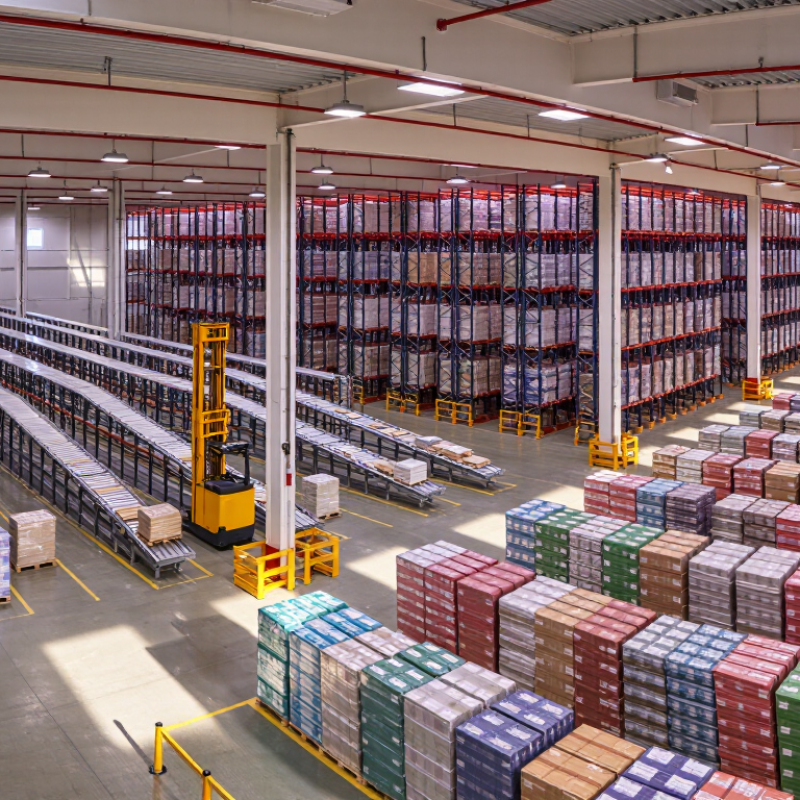
Choosing the right pallet storage system starts with clear warehouse facts, not attractive equipment drawings. Define the pallet sizes, weights, materials, and daily movement patterns. Record both loaded and empty pallet dimensions. Measure twice.
Inspect the building carefully. Note the clear ceiling height, column positions, floor condition, door widths, lighting, sprinkler locations, and emergency access routes. A rack may fit on paper but block a fire exit or reduce forklift visibility. Aisle width must match the actual handling equipment, turning radius, and operator skill. Do not rely on a standard layout without testing it on the floor.
In warehouse assessments, I also calculate peak inventory rather than average stock. Seasonal demand can fill unused areas quickly. Leave space for damaged pallets, inspection zones, pedestrian paths, and future growth. Floor load capacity deserves special attention, especially in older buildings. Consult a qualified structural or fire-safety professional when conditions are uncertain. Small omissions become expensive changes later.
Storage decisions should reflect working habits. If workers frequently pick individual cartons, deep storage may slow operations. If pallets move in full loads, higher density may be more valuable. The “best” system can still fail when replenishment rules are unclear. Recheck the plan with operators before installation. Their practical objections often reveal constraints that measurements miss.
A pallet storage system should match your inventory, equipment, and daily movement patterns. In warehouse assessments, I examine aisle width, pallet dimensions, load weight, and picking frequency. Selective racking offers direct access to every pallet. It suits varied products but uses more floor space. High-density designs store more units in less space. However, they can slow access when workers must move other pallets first.
Capacity is not only about the number of pallet positions. Measure clear height, beam levels, load limits, and future stock growth. A system filled to its maximum rating may leave little room for safe handling. I once saw a layout that looked efficient on paper. Forklift operators struggled with tight turning areas during busy shifts. The design needed better clearance, not more storage.
Accessibility should reflect how often each product moves. Fast-moving goods need short travel paths and simple retrieval. Slow-moving inventory can tolerate deeper storage. Consider inspection access, lighting, floor condition, and operator visibility. Adjustable components can support changing pallet sizes, but they require regular checks. Numbers help, yet real warehouse observations often reveal hidden delays. Test the proposed layout with actual pallets and equipment before installation.
Choosing the right pallet storage system starts with safety, not capacity alone. Measure aisle width, ceiling height, floor condition, and forklift turning space. A system must support your heaviest planned load, including unevenly distributed pallets. Check beam locks, upright frames, guardrails, and load labels during every inspection. Damaged components should be isolated immediately, not quietly reused. Clearances matter. A few extra centimeters can prevent costly impacts and blocked escape routes. Use trained inspectors and follow relevant workplace safety standards.
Durability depends on more than thick steel. Examine weld quality, protective coatings, anchor points, and resistance to repeated forklift contact. Moisture, temperature changes, and pallet damage can shorten service life. Operational efficiency also deserves careful testing. Place high-turnover goods near dispatch areas, but avoid creating crowded traffic zones. Adjustable levels can improve storage density, yet excessive adjustment may reduce consistency. In practice, a layout that looks efficient on paper may slow workers during peak hours. Test it with real loads and normal staffing.
Tips: Record near misses, not only accidents. Review rack conditions after impacts and heavy seasonal periods. Keep inspection records with dates, findings, and corrective actions. Use clear floor markings and visible location codes. Fast is useful. Safe speed is better. I once underestimated walking distance in a trial layout; the extra movement became obvious only after several busy shifts. Recheck your assumptions before approving the final design.
This relative 0–100 benchmark compares common pallet storage systems across safety, durability, and operational efficiency. Selective racking provides the highest direct accessibility, drive-in racking maximizes density, push-back racking balances density and selectivity, and pallet flow is well suited to FIFO operations. Actual performance depends on load weight, building layout, pallet condition, inspection routines, and operating procedures.
How to Choose the Right Pallet Storage System?
Match the Storage System to Your Inventory and Handling Equipment
A pallet system should fit your inventory, not force your operation into a fixed pattern. Start by measuring pallet dimensions, weights, turnover rates, and product stability. Fast-moving goods need clear access and short travel paths. Slow-moving stock may suit higher-density storage with less direct access. It sounds simple. It is not always.
Your handling equipment also sets practical limits. Counterbalance forklifts need wider aisles and stronger floor conditions. Reach trucks can work in narrower aisles, but they require accurate lifting and operator training. Check lift heights, turning space, rack clearances, and rated capacities before selecting a layout. A small mismatch can create daily delays or unsafe movements.
Consider how products enter and leave storage. A first-in, first-out process may need accessible lanes or controlled flow. Mixed pallet sizes can reduce usable space and complicate beam positioning. Adjustable components help, though excessive adjustment can weaken discipline. I have seen warehouses choose maximum height, then lose time because equipment could not reach the upper levels comfortably. That decision looked efficient on paper.
Leave room for inspection and maintenance. Record real operating conditions, not only manufacturer data. Review damaged pallets, uneven loads, seasonal volume, and future equipment changes. The best system is rarely the densest one. It is the system workers can use accurately, repeatedly, and safely.
| Storage System | Best Inventory Profile | Pallet Access and Rotation | Suitable Handling Equipment | Space and Layout Considerations | Key Advantages | Main Limitations |
|---|---|---|---|---|---|---|
| Selective Pallet Racking | Many stock-keeping units with relatively small quantities per item; suitable for mixed-product warehouses. | Direct access to every pallet; supports both FIFO and LIFO when operating procedures are controlled. | Counterbalance forklifts, reach trucks, or narrow-aisle trucks, depending on aisle design. | Requires dedicated aisles between rack rows; aisle width must match the truck’s turning and load-handling requirements. | High selectivity, flexible layout, and easy stock identification. | Lower storage density than compact systems because aisles provide access to each position. |
| Double-Deep Pallet Racking | Medium-to-high volumes with several pallets per stock-keeping unit. | Two pallets are stored deep; the front pallet must normally be moved before the rear pallet can be retrieved. | Double-deep reach trucks or forklifts equipped for extended reach. | Uses fewer aisles than selective racking but needs greater rack depth and careful load sequencing. | Higher pallet density while retaining more selectivity than drive-in storage. | Reduced selectivity and potential reshuffling when rear pallets are required first. |
| Drive-In Racking | Large quantities of a limited number of products, especially uniform pallet loads. | High-density storage with limited direct access; generally operates on a LIFO basis. | Forklifts designed for entering rack tunnels and placing loads on support rails. | Minimizes aisles and increases cube utilization, but requires clear rack-entry paths and strong floor quality. | Very high storage density and efficient use of floor space. | Limited selectivity, higher risk of pallet or rack impact, and less suitable for highly varied inventory. |
| Pallet Flow Racking | Perishable or date-sensitive goods requiring regular stock rotation and multiple pallets per item. | Uses inclined roller lanes to move pallets from the loading side to the picking side; naturally supports FIFO. | Forklifts or reach trucks for loading and unloading; pallet dimensions and weights must be compatible with the rollers. | Requires separate loading and picking aisles, plus accurate lane planning and level flooring. | Strong stock rotation, reduced travel for replenishment, and high lane productivity. | Higher installation cost and less flexibility if pallet sizes or load characteristics change. |
| Push-Back Racking | Medium-to-high quantities per stock-keeping unit where compact storage is more important than strict FIFO. | Multiple pallets are stored deep on nested carts or rails; typically operates on a LIFO basis. | Reach trucks or forklifts that can safely place pallets into elevated lanes. | Reduces aisle requirements and does not need a separate rear access aisle. | Good density, faster loading than drive-in systems, and multiple pallets per lane. | Not ideal for strict FIFO and requires consistent pallet quality and controlled loading practices. |
| Pallet Shuttle Racking | High-volume, repetitive inventory with many pallets per stock-keeping unit and a strong need for density. | A powered shuttle transports pallets within deep lanes; can be configured for FIFO or LIFO depending on lane and process design. | Forklifts transfer pallets to the lane entrance; the shuttle handles movement inside the lane. | Reduces forklift travel inside the rack and works well where aisle space or labor productivity is a concern. | High density, improved operator safety inside lanes, and efficient repetitive handling. | Higher capital cost, dependence on batteries and controls, and less suitable for low-volume mixed inventory. |
| Mobile Pallet Racking | Low-to-medium throughput operations where high capacity and direct access are both important. | One access aisle can be opened as needed; provides direct access to stored pallets when the required aisle is open. | Forklifts or reach trucks, with operating procedures coordinated around moving rack bases. | Uses floor-mounted rails and requires a structurally suitable floor, safety controls, and careful traffic management. | High space utilization while preserving access to a broad range of products. | Slower access because an aisle may need to be opened, and the installation is more complex than static racking. |
| Automated Storage and Retrieval System | High-throughput operations with stable product dimensions, predictable demand, and strong inventory-control requirements. | Computer-controlled storage and retrieval; FIFO, LIFO, batch, and date-based rules can be programmed into the operating system. | Automated cranes, shuttles, conveyors, or robotic vehicles, with limited forklift involvement. | Can use tall structures and narrow aisles, but requires accurate layouts, reliable power, controls, and integration with inventory software. | High throughput, consistent inventory accuracy, reduced manual travel, and improved use of vertical space. | High initial investment, greater technical complexity, and less flexibility during major product or process changes. |
Choosing a pallet storage system requires more than comparing equipment prices. Measure the warehouse footprint, clear height, column positions, floor capacity, aisle width, and fire protection requirements. These details determine usable storage, not the rack supplier’s brochure. The lowest purchase price can create higher labor and handling costs later.
Calculate the full cost per stored pallet. Include rack purchase, delivery, installation, floor reinforcement, inspections, repairs, forklifts, and energy use. A simple spreadsheet can compare fixed costs with annual operating costs. For example, a system costing $120,000 and holding 600 pallets costs $200 per pallet before labor and maintenance. My first layout estimate was too optimistic. I ignored turning space and lost several pallet positions.
Plan for growth before filling every available aisle. Review shipment history, seasonal peaks, product dimensions, and expected inventory changes. Model at least 20% future growth. Leave space for additional bays, safer traffic routes, and temporary overflow storage.
Modular components may support expansion, but they can require compatible beams, frames, and floor anchors. Check these details early.
Empty space has a cost.
Compare several layouts using cost per usable pallet position, retrieval time, and expansion expense. Ask an experienced warehouse engineer to verify load ratings and clearances.
Record every assumption, because inaccurate measurements can make a reliable-looking calculation misleading. A practical test with empty pallets and a forklift often reveals problems that drawings miss.
Selective storage gives direct access to every pallet. High-density storage saves floor space but may slow retrieval.
Measure aisle width, ceiling height, pallet size, load weight, floor condition, and forklift turning space.
Count pallet positions, beam levels, clear height, and safe load limits. Leave room for future inventory growth.
Maximum capacity may reduce handling space. Forklift operators might struggle with tight turns during busy shifts.
Store them near dispatch areas with short travel paths. Avoid creating crowded traffic zones.
Check beam locks, upright frames, guardrails, anchors, load labels, and visible damage during each inspection.
Use actual pallets, forklifts, normal staffing, and realistic movement patterns. Paper plans can miss walking delays.
Record inspections, impacts, near misses, findings, and corrective actions. Review conditions after busy seasonal periods.
Moisture, temperature changes, forklift contact, and damaged pallets can shorten service life. Thick steel alone is not enough.
Recheck travel distance, clearance, and retrieval speed. I once underestimated walking time in a trial layout.
Choosing the right Pallet Storage System begins with understanding your warehouse layout, ceiling height, floor conditions, inventory volume, product dimensions, and required access frequency. A suitable system should be compared by its structural design, load capacity, selectivity, and ability to support efficient loading and retrieval. It is also important to assess safety features, material durability, inspection requirements, and operational performance to reduce handling risks and maintain consistent workflow.
The best solution should match your inventory characteristics and handling equipment, including forklifts and other warehouse tools. Before making a decision, calculate the total cost of ownership by considering purchase, installation, maintenance, labor, and future modification expenses. Planning for business growth is equally important, as a flexible and expandable storage system can accommodate higher inventory levels and changing operational needs. By balancing space utilization, accessibility, safety, efficiency, and long-term value, businesses can select a storage solution that supports reliable warehouse performance and future expansion.