China Best Push Rack System Manufacturer & Exporter
Precision Structural Engineering, Heavy-Duty Push Back & Flow Racking Solutions Built for Global Industrial Logistics, High-Throughput Warehousing, and Cold-Chain Resilience.
CE & ISO 9001:2015 Certified
30,000 Tons Monthly Capacity
Direct Containerized Export to 120+ Countries
Enterprise Dynamic Storage
Featured Industrial Racking & High-Density Storage Solutions
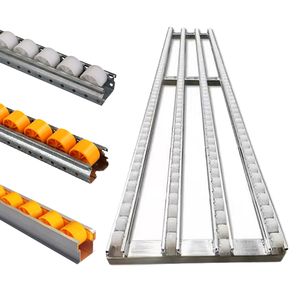
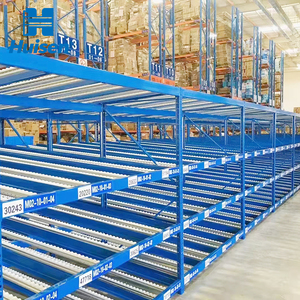
Engineered from premier Q235B/Q355B structural steel, our dynamic push back, gravity flow, widespan, and heavy cantilever platforms maximize cubic floor utilization while sustaining extreme cyclic loads.
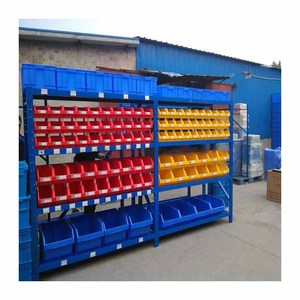
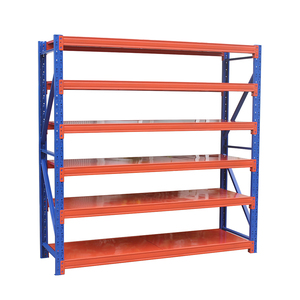
High-density tiered bin layout configured for high-velocity manual sorting, SKU organization, hardware fulfillment, and automated parts kitting in electronic and automotive assembly facilities.
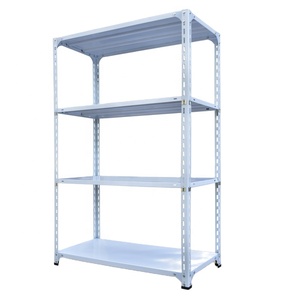
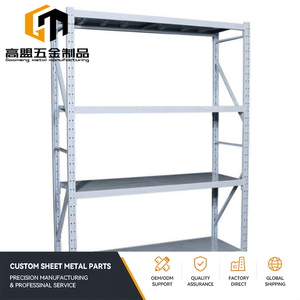
Structural angle iron metal shelving built with corrosion-resistant electrostatic powder finish. High rigidity per tier for engineering maintenance depots, factory tool storage, and utility rooms.
Quick-assembly snap-in system requiring zero hardware for rapid re-pitching. Highly resilient steel frame designed for rapid re-layout in agile e-commerce logistics centers and packaging hubs.
Interlocking box beams and dual-ribbed upright columns configured for heavy unitized pallet storage. Compatible with reach trucks, counterbalanced forklifts, and Very Narrow Aisle (VNA) equipment.
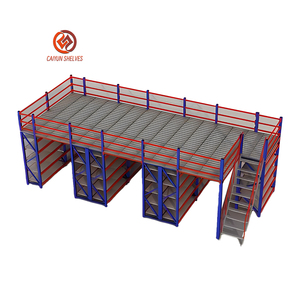
Structural steel integrated multi-tier mezzanine converting vertical clear height into valuable working floor space. Complete with galvanized grating, heavy staircases, handrails, and safety pallet gates.
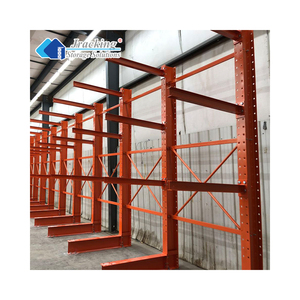
Column-and-arm architecture engineered without front obstruction, ensuring safe handling for extruded PVC profiles, conduit tubing, copper piping, and timber. Hot-dip galvanization available for outdoor yards.
Technical White Paper Focus
Push Back Rack System Mechanics: Precision LIFO Storage Dynamics
A push back rack system (nested cart racking) delivers unmatched storage density by pairing deep-lane capacity (2 to 6 pallets deep per lane) with single-aisle operational simplicity. Unlike traditional drive-in systems where lift trucks enter the steel framework—heightening racking collision hazards—push back racks maintain forklift interaction strictly at the outer structural face. As pallets are positioned by the forklift, the carrier cart is pushed gently back along inclined structural steel guide channels. When a front pallet is retrieved, gravity glides the succeeding carts forward smoothly to the pick face.
Our push back systems are fabricated using heavy structural steel channel rails and CNC-machined steel wheels fitted with sealed precision bearings. By engineering the slope angle precisely between 2.5% and 3.5%, our systems eliminate hang-ups while controlling downhill rolling momentum for standard, GMA, Euro, and industrial four-way perimeter-base pallets.
Floor Footprint Reduction
Converts excessive forklift corridors into live inventory slots, expanding usable cubic capacity by 40% to 75% compared with conventional selective pallet setups.
Structural Collision Defense
Forklift trucks never breach the internal bay structure. This eliminates mast and frame impacts common in drive-in racking, dramatically lowering maintenance overhead.
Independent SKU Lane Selectivity
Each level and lane functions autonomously. Operations can store distinct SKUs in each vertical or lateral lane without compromising access to surrounding product channels.
Enterprise Procurement Insights
Future Procurement & Technological Trends in Racking (2025–2030)
Material handling infrastructure is evolving from static steel grids into intelligent, sensor-monitored, semi-automated intralogistics nodes designed for maximum cubic efficiency and cold-chain resilience.
Cold Storage & Thermal Efficiency
As per-square-meter refrigeration costs rise, procurement teams are shifting toward high-density push back and radio shuttle racks. Reducing cold chamber air volume while preserving throughput is now the primary metric for ROI in temperature-controlled supply chains.
Hybrid Pallet & AMR Compatibility
Modern push rack systems are being designed with guided wheel paths, reinforced stop plates, and optical reflector points. This enables hybrid facilities to pair manual lift trucks with autonomous mobile reach trucks without structural modification.
High-Strength Micro-Alloy Steels
Global demand is driving adoption of Q355B and specialized micro-alloy cold-rolled coil steels. This yields lighter structural profiles with 20% higher yield strengths, optimizing container shipping weight and improving seismic performance in high-risk zones.
Why Global Buyers Partner with Our Manufacturing Facility
From initial site measurement and FEA structural design to robotic roll forming, surface pre-treatment, and export shipping, we manage every step in-house.
2001
Established Year
120+
Countries Exported
30,000 m²
Production Plant
10,000+
Projects Installed
Quality Assurance and Anti-Corrosion Finishing Standards
Racking systems operating in coastal, tropical, or cold-chain environments face severe risks of corrosion and powder delamination. Our facility operates an automated 10-stage surface pre-treatment line, including acid pickling, rust removal, surface conditioning, and zinc phosphating. This guarantees deep chemical adhesion prior to electrostatic powder application.
Finished coatings undergo rigorous cross-hatch adhesion testing, salt spray resistance evaluations (surpassing 500 hours without oxidation), and impact load verification. Every push cart wheel assembly is calibrated with specialized low-temperature synthetic lubricants capable of uninterrupted operation at -30°C in industrial blast freezers.
Finite Element Analysis (FEA): Every project layout undergoes CAD structural stress and seismic deflection modeling in accordance with AS4084, FEM 10.2.02, and RMI standards.
Traceable Material Certification: Direct steel sourcing from tier-one steel producers (such as Baosteel), backed by mechanical property and tensile mill test certificates.
Container-Packing Engineering: Components are custom nested, heavy-palletized, and packaged with vapor-corrosion inhibiting wraps to ensure damage-free maritime transit.
Procurement FAQ
Push Back & Dynamic Racking: Frequently Asked Questions
Common technical questions regarding engineering specs, installation procedures, and supply chain logistics for enterprise procurement teams.
What is the standard lane depth capacity for an engineered push back system?
We configure push back systems from 2 to 6 pallets deep per lane. The 2-to-4 pallet configurations are the most widely selected, maintaining optimal balance between incline angle, required forklift push power, and overall mast height visibility. Systems supporting 5 to 6 pallets deep use heavy-gauge guide tracks, reinforced structural bearings, and low-friction cart assemblies to ensure smooth movement under full rated capacity.
Can our existing standard counterbalanced forklift fleet operate push back racks?
Yes. In most installations, standard counterbalanced or standard reach trucks handle push back bays without specialized attachments. The forklift mast pushes against the preceding pallet cart. Our engineering team confirms your truck's rated capacity and maximum lift height to ensure safe, stable engagement during loading and extraction across your upper levels.
How does push back racking perform in sub-zero cold storage environments?
Push back systems perform reliably in deep freeze conditions (-25°C to -30°C) where battery-powered automated vehicles often face shortened runtimes. We fit our carts with stainless-steel bearings, specialized low-temperature synthetic lubricants, and heavy powder or hot-dip galvanized finishes that prevent thermal shock sticking, corrosion, and moisture build-up.
What project parameters are required to generate a custom CAD layout and pricing proposal?
To deliver an accurate layout and structural quotation within 24 hours, our engineering department requests: warehouse architectural drawings (CAD or PDF) indicating clear heights, column locations, and floor obstructions; pallet dimensions (W × D × H) including bottom runner style and gross weight; inventory SKU counts; forklift models and lift limits; and project location seismic or building code requirements.
Plan Your Warehouse High-Density Storage Upgrade
Connect directly with our applications engineering department. We evaluate your warehouse floor plans, run complete structural load calculations, and produce 2D CAD layout prints along with 3D renderings at zero design cost.