Engineered Warehouse Storage Solutions
Combining gravity roller lanes, automated shuttle engineering, and high-density selective steel architectures to resolve warehouse footprint bottlenecks across Montevideo, Canelones, and the interior logistical corridors of Uruguay.
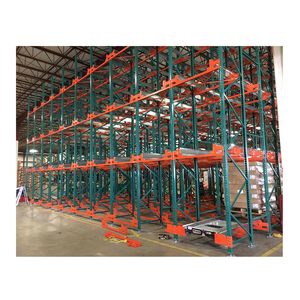
Heavy Duty Automatic Radio Shuttle Rack High Efficiency Storage
- Deep-lane wireless pallet carrier
- Sub-zero cold storage rated (-25°C)
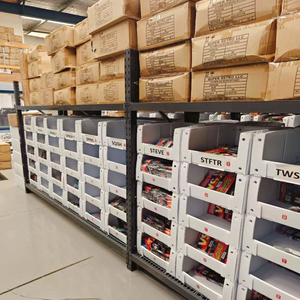
Storage In Warehouse Stackable Plastic Picking Bins
- Corrugated lightweight polypropylene
- High modularity for SKU sorting
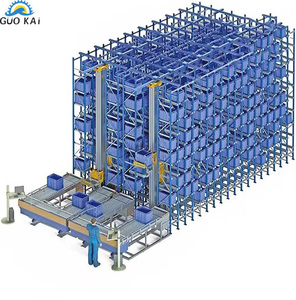
Multi Level Rack ASRS Warehouse Robot Retrieval System
- Vertical high-bay cranes to 30m
- Integrated WMS & PLC architecture
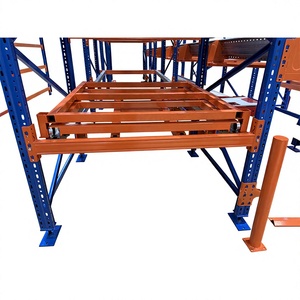
Industrial Push Back Rack For Storage LIFO Warehouse System
- 2 to 6 deep nested nesting trolleys
- Single aisle loading and retrieval
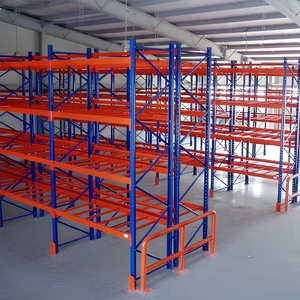
Industrial Anti-Rust Heavy Duty Steel Conventional Pallet Racking
- 100% direct pallet selectivity
- Corrosion-resistant epoxy finish
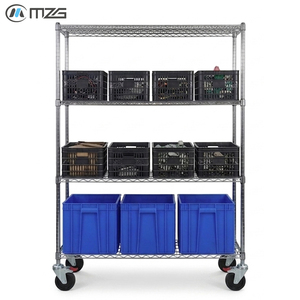
Industrial Warehouse Metal Storage Wire Shelving with Wheel
- Industrial castor mobility
- Open wire air & sprinkler flow
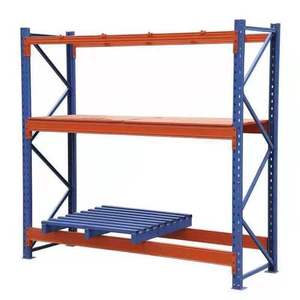
Adjustable Heavy Duty Shelving Pallets Racking System
- 50mm/75mm adjustable pitch
- High section modulus upright steel
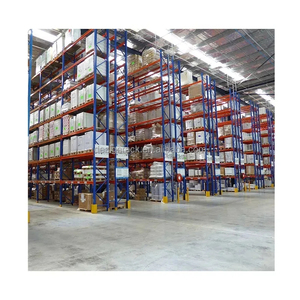
Custom 5-Layer Industrial Steel Beam Rack Storage System
- Up to 4,500 kg per beam level
- Certified Q235B / Q355B cold roll
The Anatomy of Gravity Roller Pallet Racking (Pallet Flow)
Roller Pallet Racking (commonly designated as Gravity Pallet Flow or Live Pallet Storage) represents the pinnacle of compact, zero-energy dynamic storage. Driven entirely by gravitational force and controlled kinetic friction, pallet flow systems bridge raw storage density with strict, automated First-In, First-Out (FIFO) discipline.
Eliminates intermediate operating aisles
Automatic stock rotation for perishables
Gravity-driven movement requires zero electricity
Engineered per lane position for Mercosur Arpal
Kinetic Incline & Flow Dynamics
The standard incline angle is calibrated precisely between 3.0% and 4.0% (1.7° to 2.3°), tailored to pallet bottom profiles (such as wooden 4-way block pallets or perimeter-base Arpal units). This gradient ensures that unit loads weighing between 300 kg and 1,500 kg overcome static friction spontaneously upon loading without accelerating into uncontrolled descent velocities.
Centrifugal Speed Controller Rollers
To eliminate impact damage at the picking face, internal centrifugal brake rollers are deployed at dedicated pitch intervals along the lane. As a pallet rolls over the brake roller, an internal planetary gear expands brake shoes against the drum wall, maintaining a safe terminal glide velocity of 0.15 m/s to 0.30 m/s regardless of pallet weight variations.
Automatic Pallet Separator Mechanisms
In deep lanes (ranging from 5 to 25 pallets deep), cumulative line pressure on the discharge face can reach dozens of kilonewtons, jamming forklift extraction. Our engineered mechanical separator isolates the front pallet from trailing stock. When the front pallet is lifted, the separator triggers automatically, allowing the next pallet to advance smoothly.
Localized Applications in the Uruguayan Logistics Ecosystem
Uruguay holds a distinguished position as the premier multimodal distribution hub of South America's Southern Cone. Deploying roller pallet racking addresses structural land costs and trade dynamics across major national industrial nodes.
Regional Distribution Hubs (LDC Hubs)
Within strategic Free Zones such as Zonamerica, WTC Free Zone, and the Ruta 101 logistics cluster in Canelones, international distributors operate under the Uruguayan Free Trade Zone Act (Ley 15.921 / 19.566). Gravity flow racks maximize high-bay cubic storage capacity while securing rapid dispatch to Brazilian and Argentine cross-border destinations.
Refrigerated Meat Packing (Frigoríficos)
In central processing hubs across Durazno, Tacuarembó, San José, and Canelones, the beef export industry requires massive sub-zero holding freezers (-18°C to -25°C). Operating energy in refrigerated cubic volume is exceptionally costly. Pallet roller systems eliminate aisles, boosting refrigerated space utilization past 85% with zero motor failures in freezing conditions.
Pharmaceuticals & Life Sciences Under GDP
The specialized pharmaceutical cluster at Parque de las Ciencias demands rigorous compliance with Good Distribution Practices (GDP) and strict First-Expired, First-Out (FEFO) batch tracking. Gravity roller tracks safeguard cleanroom floor integrity, prevent stale batch entrapment, and interface seamlessly with barcoded warehouse management systems.
Port Container Freight Stations & Cross-Docking
At Terminal Cuenca del Plata (TCP) and port-adjacent bonded warehouses, maritime containers require rapid de-stuffing, buffer sorting, and truck dispatch. Dual-sided gravity flow lanes act as frictionless consolidation buffers between container unloading doors and domestic distribution docks.
Dairy & Beverage Processing (Conaprole Supply Chain)
High-volume dairy production lines handling milk powder bags, UHT milk cartons, and bulk cheeses in Uruguay's dairy basin rely on gravity flow lanes for pallet accumulation post-palletizing. The continuous rolling buffer absorbs fluctuating production speeds without straining forklift fleets.
River Plate Cross-Border Transit Warehousing
Along Ruta 1 connecting Montevideo to Colonia del Sacramento and ferry terminals to Buenos Aires, logistics operators deploy dynamic push-back and roller systems to manage fast-turning consumer packaged goods (CPG) destined for immediate river freight transfer.
Key Macro Trends Driving Racking Investments in Uruguay
Modernizing Uruguayan intra-logistics requires understanding the commercial, fiscal, and geological factors unique to the Eastern Republic of Uruguay.
Escalating Industrial Real Estate Leases
Prime warehouse lease rates in Canelones and Montevideo's peripheral logistic parks have risen sharply due to land scarcity and high infrastructural build costs. Warehouses are migrating vertically (clear heights up to 12m–15m). Roller pallet racking converts dead aisle space into active storage positions, delaying or preventing expensive real estate expansion.
Regional Mercosur Pallet Harmonization
Uruguayan supply chains handle diverse pallet formats simultaneously: the predominant Arpal standard (1000 mm × 1200 mm), the European EPAL (800 mm × 1200 mm), and American GMA pallets. Our roller beds are engineered with triple-roller tracks and custom guide flanges to handle mixed runner geometries without pallet skewing or tracking derailment.
Corrosion Challenges of Maritime Humidity
Situated on the estuary of the Río de la Plata and the Atlantic Ocean, Uruguayan facilities experience high atmospheric humidity and airborne salinity. Standard painted steel deteriorates prematurely. Our manufacturing integrates strict pickling, zinc phosphating, and heavy electrostatic powder coating (or complete hot-dip galvanization for cold environments) exceeding ISO 12944 C3/C4 durability specifications.
Gravity Pallet Flow vs. Alternative High-Density Systems
A detailed technical comparison of storage systems frequently specified by warehouse operators across South America.
| Storage System Type | Space Utilization | Inventory Rotation | Mechanical / Electrical Wear | Cold Store Operating Cost | Risk of Forklift Impact |
|---|---|---|---|---|---|
| Roller Pallet Racking (Gravity Flow) | Very High (80-85%) | Strict FIFO (Automatic) | Zero Motors (Passive Rollers) | Extremely Low (No power inside lanes) | Low (Trucks operate outside lanes) |
| Radio Shuttle Pallet System | Very High (80-85%) | FIFO or LIFO (Software dependent) | High (Batteries, motors, electronics) | Medium (Battery degradation in cold) | Extremely Low |
| Drive-In Racking System | High (65-75%) | Strict LIFO (High Honeycombing) | Zero (Static steel) | Low | High (Trucks drive inside rack bays) |
| Push-Back Cart Racking | Medium-High (65-70%) | LIFO Only (2-6 pallets deep) | Low (Wheeled nested carts) | Low | Low-Medium (Operates at lane face) |
| Selective Pallet Racking | Low (40-45%) | 100% Selective / Any | Zero (Static beams) | Very High (Wasted chilled air space) | Medium (Aisle collisions) |
Direct Manufacturer Advantages for South American Importers
Over 25 years of specialized fabrication, audited structural quality, and container-optimized logistics designed for seamless clearance at Puerto de Montevideo.
25+ Years Experience
Designing, manufacturing, and installing industrial storage racks across food, cold chain, pharmaceutical, and 3PL distribution centres worldwide since 2001.
30,000 m² Mega Plant
Our centralized manufacturing base features automated high-precision roll forming lines, robotic laser cutting, automatic column punching, and dual continuous powder coating lines.
30,000 Tons Capacity
Robust monthly output ensures rapid fulfillment of extensive logistics projects, complete project batch consistency, and reliable delivery timelines for container vessels.
Certified Auditable Quality
Certified under CE (Certificate No. 2435-CPR-8605159), ISO 9001:2015 (Certificate No. 18624Q00169R0M), RoHS compliance, and designed in accordance with European FEM 10.2.02 and EN 15512 codes.
Precision Manufacturing & Pre-Treatment Process
Every upright frame, box beam, and roller chassis undergoes our proprietary 10-stage processing workflow: certified structural steel coil inspection → CNC length shearing → continuous high-speed upright punching → roll forming with cold-work strain hardening → robotic beam connector welding → chemical immersion pickling & phosphating (stripping all mill scale and creating a rust-inhibiting conversion layer) → electrostatic thermoset epoxy polyester powder coating → high-temperature curing oven at 200°C → automated QA dimensional tolerance verification → export bundle strapping with protective foam cushioning for ocean freight.
Frequently Asked Questions by Uruguayan Procurement Teams
Clear, technical explanations regarding customs clearance, port shipping, load engineering, and installation support in Uruguay.