Engineered Racking & Industrial Storage Portfolio
Precision-machined beam profiles, boltless rivet connectors, and variable-capacity industrial shelving systems configured for warehouses, manufacturing staging cells, and automated distribution hubs.
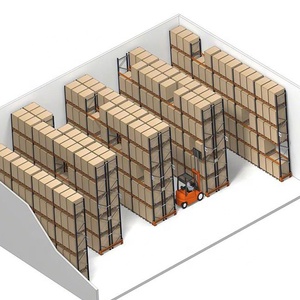
Heavy Duty Pallet Beam Racking Industrial Warehouse Storage Shelf Rack
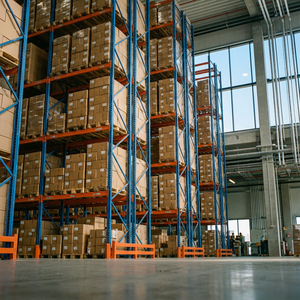
Customized Heavy Duty Pallet Racking System Warehouse Storage Rack Factory Direct
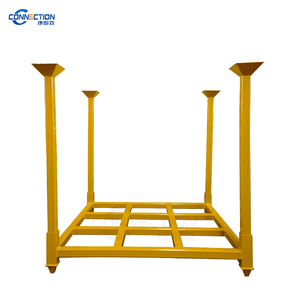
Customized Movable Powder Coated Stacking Post Pallet Stacking Pallet Rack & Shelve
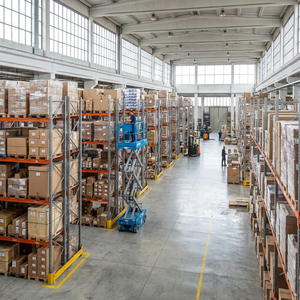
Heavy Duty Warehouse Shelving Rack Steel Pallet Storage System Manufacturer
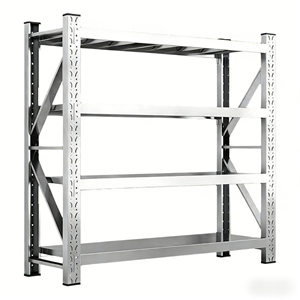
Commercial Light-Duty Storage Rack for Hotel Home Kitchen Stainless Steel Industrial Warehouse Pallet Shelf Home Commercial Use
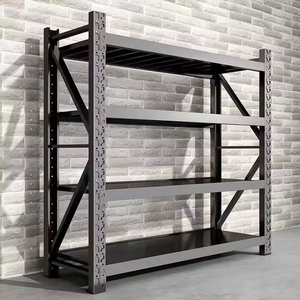
Light-Duty Steel 5-Layer Drive-In Pallet Rack Warehouse Storage Shelf
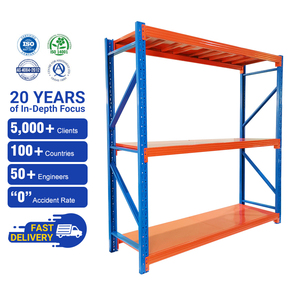
Customized Factory Supply Light-duty Industrial Workshop Display Shelving Shelves Storage Rack for Warehouse Steel Rack
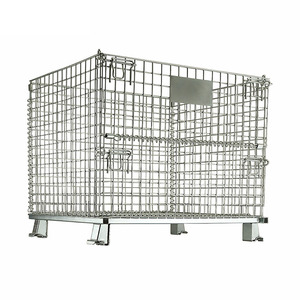
Warehouse Shelves Pallet Storage Rack Light Duty 5 Layer Boltless Storage Rack Rivet Shelving Steel Shelves
Why Global Supply Chains Partner with HEDA Shelves
Operating from our 30,000 square-meter facility in Guangzhou, China, Guangzhou Heda Shelves Co., Ltd. controls the complete vertical manufacturing spectrum—from computerized profile roll-forming to electrostatic powder coating.
Certified Engineering Standards
Every batch conforms to CE Certification No. 2435-CPR-8605159 and ISO 9001:2015 Quality Management standards (Certificate 18624Q00169R0M). Complete material traceability and mill test certificates accompany every export manifest.
Complimentary CAD & 3D Modeling
Our in-house structural engineering office delivers warehouse layout optimizations, FEM static calculations, and realistic 3D architectural renders within 24 hours to maximize floor area utilization and clear ceiling heights.
10-Stage Precision Production
From pickling, automated phosphating, and CNC automated punching to electrostatic powder curing, steel profiles receive rigorous anti-corrosion barrier protection engineered for humid coastal air and severe climates.
Container Packing Optimization
Utilizing proprietary 3D cargo packing software, we maximize 40HQ maritime container cube efficiency up to 98.5%, substantially reducing freight costs per pallet position to global seaports across Asia, Europe, and the Americas.
Light Duty Pallet Racking: Structural Mechanics & Quality Metrics
A detailed technical analysis for warehouse operations directors, structural consultants, and industrial procurement committees seeking uncompromised load safety and compliance.
Cold-Rolled Metallurgical Yield
Light-duty pallet racking systems utilize premium-grade cold-rolled Q235B high-tensile structural steel, displaying a yield point (σs) exceeding 235 MPa and ultimate tensile resistance upwards of 370–500 MPa. Cold roll-forming imparts cold work hardening, reinforcing section moduli while minimizing redundant dead load on warehouse concrete slabs.
Deflection Deficits & FEM 10.2.02
Structural beam calculations must adhere strictly to European FEM 10.2.02 and RMI specifications. Under uniformly distributed load (UDL), allowable vertical deflection must not breach L/200 (where L equals clear span beam length). This limits mechanical fatigue on beam end connectors and prevents pallet skewing during manual or reach-truck placement.
Advanced Anti-Corrosive Coating
All upright columns and horizontal step beams undergo a multi-phase pre-treatment bath featuring hot alkaline degreasing, acid pickling to eradicate surface mill scale, and zinc phosphating. Electrostatic dry thermoset epoxy-polyester powder is cured at 180°C–200°C, producing an impervious 60–80 μm film resistant to chemical drips, scratching, and humidity.
| System Configuration | Typical Payload / Tier | Material Specification | Pitch Adjustability | Recommended Application |
|---|---|---|---|---|
| Light-Duty Selective Pallet Rack | 300 kg – 800 kg UDL | Q235B Cold-Rolled Carbon Steel | 50mm / 75mm Punched Pitch | E-commerce fulfillment centers, automotive parts distribution, retail buffers. |
| Boltless Rivet Shelving System | 150 kg – 350 kg UDL | Heavy-Gauge Cold-Bent Sheet Steel | Keyhole / Teardrop Slot Interlock | Manual carton picking, archive document storage, maintenance tool cribs. |
| Movable Post Stacking Pallet Rack | 500 kg – 1,000 kg UDL | Structural Steel Tubing + Solid Base | Fixed Post Heights (Modular Nesting) | Seasonal agricultural staging, cold storage staging, dynamic temporary bulk cells. |
| Light-Duty Drive-In Racking System | 400 kg – 700 kg / Position | Continuous Formed Upright Rails | Bolted Cantilever Support Arms | High-density single-SKU storage, beverage batch warehousing, cold room staging. |
Future Procurement Trends for Light Duty Racking (2025–2030)
Global supply chain disruptions, escalating commercial real estate costs, and shifting consumer expectations are reshaping how enterprise facilities purchase and deploy light-duty storage assets.
Decentralized Micro-Fulfillment Nodes
Rapid urban delivery demands have fueled the rise of urban micro-fulfillment centers (MFCs). Warehousing procurement managers are moving away from monolithic high-bay racking in favor of highly configurable, rapid-assembly light duty pallet racking systems capable of fitting within restricted ceiling heights (3.5m to 5m) of metropolitan commercial facilities.
Total Cost of Ownership (TCO) Prioritization
Corporate procurement policies have evolved beyond basic initial CapEx comparisons. Buyers actively calculate lifecycle maintenance, disassembly/reconfiguration labor costs, residual asset salvage value, and downtime risks. Modular boltless connections and standardized roll-formed profiles yield up to 40% reductions in total re-slotting and redeployment costs over 10-year facility horizons.
Low-Carbon & Circular Metallurgy
Global environmental disclosures (such as ESG mandates and European CBAM frameworks) require procurement teams to track the carbon footprint of structural steel infrastructure. Factories utilizing electric arc furnace (EAF) steel with audited scrap ratios, along with non-VOC powder coat finishes, are consistently winning multi-facility enterprise supplier contracts.
Technological Innovations in Light Duty Storage Infrastructure
The convergence of intralogistics robotics, edge IoT sensors, and high-precision cold roll forming is transforming static metal racks into dynamic data-integrated facility hubs.
Autonomous Mobile Robot (AMR) Interoperability
Modern light-duty racking bases are engineered with customized lower cross-ties, barcode guide tracks, and safety upright deflectors designed to seamlessly accommodate pallet-lifting AMRs and automated carton pickers without structural impact.
IoT Structural Health & Load Sensing
Advancements in micro-strain sensors allow smart beam pins to monitor deflection anomalies and load distribution in real time. Operations controllers receive automated alerts whenever a level exceeds permissible UDL ratings, mitigating warehouse collapse risks.
Hybrid Nanocoatings & Cold Resistance
For temperature-controlled agri-food facilities and sub-zero pharmaceuticals (-30°C), modern light-duty racks utilize modified polymer resin coatings that resist embrittlement and surface peeling, ensuring corrosion-free operation across decades.
Parametric Manufacturing Automation
Automated roll-forming lines integrate real-time laser gauging to punch and shear profiles to tolerances within ±0.2mm. This precision guarantees seamless boltless installation and complete field interchangeability of accessories across global sites.
Frequently Asked Questions by Industrial Buyers
Clear, technically audited answers to critical engineering, logistics, and quality assurance questions encountered during international racking procurement.
Request an Engineered Layout & Factory Price Matrix
Connect with our technical storage engineers to review clear warehouse spans, review structural pallet loads, and receive comprehensive CAD schematics accompanied by complete container FOB/CIF quotation breakdowns.
Get Catalog