Featured Industrial Warehouse Storage & Cantilever Products
Discover our primary high-density warehouse racking architectures, custom fabricated from high-yield Q235B/Q355B structural steel to maximize volumetric space efficiency, load integrity, and uninterrupted material handling throughput.
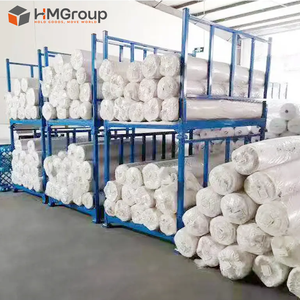
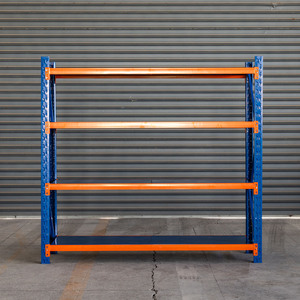
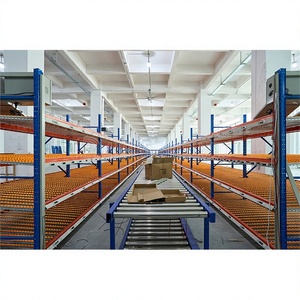
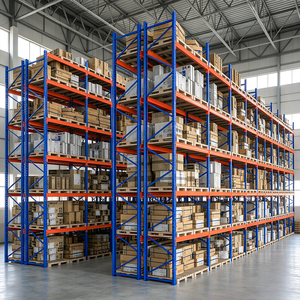
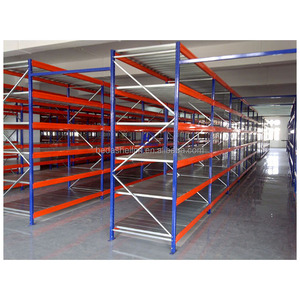
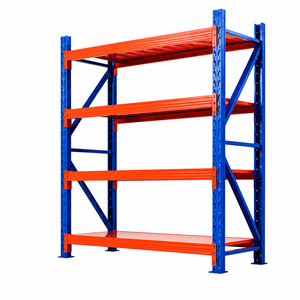
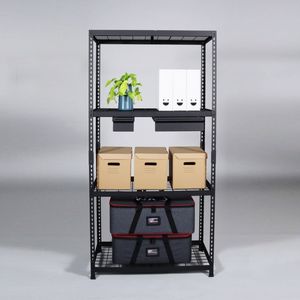
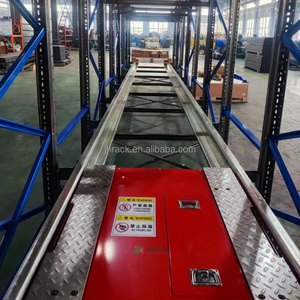
Engineering Cantilever Systems: Structural Mechanics & Load Architecture
Modern supply chains and industrial warehousing facilities face immense logistical challenges when attempting to store non-standard, linear, long, or bulky goods. Conventional pallet racking is constrained by horizontal front load beams and vertical upright frames that physically segment bay openings, restricting the linear entry of items such as structural H-beams, extruded aluminum, PVC conduit, timber packs, sheet steel, plasterboard, and textile rolls. As top-tier cantilever racking manufacturers and experienced global exporters, Guangzhou Heda Shelves Co., Ltd. pioneers advanced cantilever systems specifically calculated to eliminate frontal upright obstructions.
The mechanical foundation of a reliable cantilever racking system rests upon an engineered balance between vertical bending moments, cantilever arm shear forces, anchor shear retention, and soil/slab bearing capacity. Unlike standard four-post rack structures that distribute downward force symmetrically across four footplates, cantilever racking directs substantial eccentric moments into the vertical column uprights and base assemblies. Every component—from the heavy-gauge base channel to the cold-formed or hot-rolled structural profile, down to the high-tensile connection pins—must be engineered according to rigid international design standards such as ANSI MH16.1, FEM 10.2.02, and EN 15512.
To accommodate diverse storage densities and payload parameters, industrial cantilever configurations are split between two primary manufacturing typologies:
Roll-Formed Cantilever Racks
Fabricated from cold-rolled steel coils with punched upright slots at 75mm or 100mm increments. Optimized for light-to-medium industrial duty (300 kg to 1,000 kg per arm), ideal for retail hardware, piping, automotive body trims, and packaged insulation boards.
Structural I-Beam Cantilever
Manufactured using hot-rolled wide-flange structural steel I-beams (Q235B / Q355B). Capable of supporting up to 3,000 kg+ per arm and column loads exceeding 25,000 kg. High structural ductility ensures exceptional resistance against heavy lift-truck impact.
Decked & Guided Cantilever
Fitted with solid steel decking panels, bar grating, or welded wire mesh overlaying the arms to bridge irregular or varying load lengths. Often paired with floor-mounted guidance rails for side-loaders or Narrow Aisle (VNA) multi-directional reach trucks.
Comparative Technical Specifications & Design Criteria
When specifying cantilever racking systems for heavy fabrication yards, lumber processing plants, or 3PL long-goods storage, structural engineers evaluate specific load distribution variables. The following engineering matrix provides procurement teams with concrete baseline parameters for planning warehouse footprints, vertical clearances, and safety factors.
| System Parameter | Light-Duty Series | Medium-Duty Series | Heavy-Duty Structural Series | Outdoor Roofed Cantilever |
|---|---|---|---|---|
| Material Specification | Cold-formed Q235B Strip Steel | Roll-formed C/U Profile Q235B | Hot-Rolled I-Beam (Q355B / ASTM A572) | Hot-Rolled I-Beam + Roof Truss |
| Arm Capacity (UDL) | 150 kg - 500 kg / arm | 500 kg - 1,200 kg / arm | 1,200 kg - 3,500 kg / arm | 1,000 kg - 3,000 kg / arm |
| Column Height Reach | Up to 4,000 mm | Up to 7,500 mm | Up to 12,000 mm | Up to 9,000 mm + Canopy |
| Arm Length Variations | 600 mm - 1,000 mm | 800 mm - 1,500 mm | 1,000 mm - 2,200 mm | 1,000 mm - 2,000 mm |
| Connection Mechanism | Wedge Pin & Safety Clip | High-Tensile Grade 8.8 Bolts | Grade 10.9 Flanged Structural Bolts | High-Strength Seismic Structural Fasteners |
| Surface Protection | Electrostatic Powder (60-80μm) | Electrostatic Powder (70-90μm) | Polyester Powder / Galvanized | Hot-Dip Galvanized (≥ 85μm ISO 1461) |
| Typical Target Cargo | PVC Trims, Plastic Molding, Moldings | Copper Pipe, Furniture, Steel Tubing | Structural Steel, TMT Rebar, Sheet Metal | Lumber Packs, Concrete Poles, Piping Yard |
Future Procurement Trends: 2025–2035 Market Dynamics
Industrial warehouse facilities worldwide are transitioning from rudimentary static storage toward highly integrated, data-driven supply chain ecosystems. Procurement directors, capital project planners, and supply chain analysts must anticipate several key structural shifts when procuring cantilever equipment over the coming decade:
1. Integration of Automated Storage and Retrieval Systems (AS/RS) with Cantilever Racks
Historically, long-profile storage has relied entirely on counterbalanced forklifts, side-loaders, or multi-directional reach trucks. However, rapid increases in industrial real estate costs and acute forklift operator shortages in North America, Europe, the Middle East, and Asia are catalyzing the adoption of Automated Cantilever AS/RS. These high-bay installations, often exceeding 20 meters in height, utilize automated stacker cranes equipped with multi-telescopic forks or vacuum grippers to handle raw bar stock and sheet cassettes directly from cantilever arms. As a certified exporter, HEDA Shelves engineers structural cantilever frameworks with the sub-millimeter deflection tolerances required by optical laser positioning and PLC control sensors.
2. Accelerated Transition to High-Strength Eco-Steel & Low-Carbon Manufacturing
With environmental, social, and corporate governance (ESG) reporting becoming standard practice for multinational logistics operators, the carbon footprint of structural steel storage systems faces stringent audit scrutiny. Buyers are increasingly favoring manufacturers operating high-efficiency electric arc furnaces (EAF) and utilizing high-yield micro-alloyed steels (such as Q355B and S355JR). The higher strength-to-weight ratio of S355 steel allows for reduced section thickness without sacrificing arm capacity, reducing raw material consumption, ocean container shipping weight, and overall embedded carbon per stored ton.
3. Advanced Anti-Corrosion Technologies for Harsh Climates
Industrial growth across humid monsoon regions, coastal port cities, petrochemical hubs, and sub-tropical zones (such as South Asia, the Persian Gulf, and Southeast Asia) requires advanced surface chemistry. Conventional spray paint fails rapidly when exposed to salt-laden marine air and cyclic thermal expansion. The procurement trend shows a decisive movement toward double-pass multi-stage pre-treatments (acid pickling, zinc phosphating, and deionized water rinsing) prior to thermosetting architectural-grade polyester powder coating, or total immersion Hot-Dip Galvanization complying with ISO 1461 for outdoor yards subject to continuous UV and rainfall.
Technological & Industry Development Trends
Modern cantilever engineering has evolved far beyond manual slide-rule calculations. The contemporary standard for world-class manufacturers involves high-fidelity digital modeling, automated fabrication lines, and empirical verification tests:
Finite Element Analysis (FEA) Digital Twins
Every non-standard cantilever project undergoes 3D structural simulation under static, dynamic, and seismic loading conditions. Computational analysis detects localized stress concentrations at the arm root weldment, preventing catastrophic plastic yield under irregular asymmetric payloads.
Robotic Laser Profiling & Automated Welding
Automated fiber laser cutting stations ensure that pin holes and bolt slots on vertical columns maintain a precision within ±0.1mm. High-power robotic MIG welding arms eliminate human fatigue errors, producing full-penetration, defect-free root welds with high fatigue resistance.
Dynamic Seismic Zone Optimization
With warehouses expanding across active seismic zones (such as South Asia, the Mediterranean, the Pacific Rim, and the Americas), cantilever designs incorporate high-ductility base plates, expanded chemical or mechanical anchor spreads, and heavy tubular horizontal and diagonal cross-bracing towers.
By simulating structural responses under live wind, thermal expansion, seismic acceleration, and point-load impact, our engineering division supplies verified calculations that can be reviewed and certified by third-party municipal building inspectors and insurance bodies internationally.
Enterprise Competency: Guangzhou Heda Shelves Co., Ltd.
Founded in 2001, Guangzhou Heda Shelves Co., Ltd. has developed into a premier industrial racking manufacturer and international exporter. Headquartered in Guangzhou, South China, HEDA operates a world-class manufacturing complex spanning over 30,000 square meters, supported by 300+ seasoned fabrication technicians, structural engineers, and logistics specialists. With an annual production capacity reaching 30,000 tons of structural racking and heavy shelving products, HEDA has successfully delivered more than 10,000 turn-key warehouse solutions to 120+ countries across North America, Europe, Australia, Latin America, Southeast Asia, the Middle East, and South Asia.
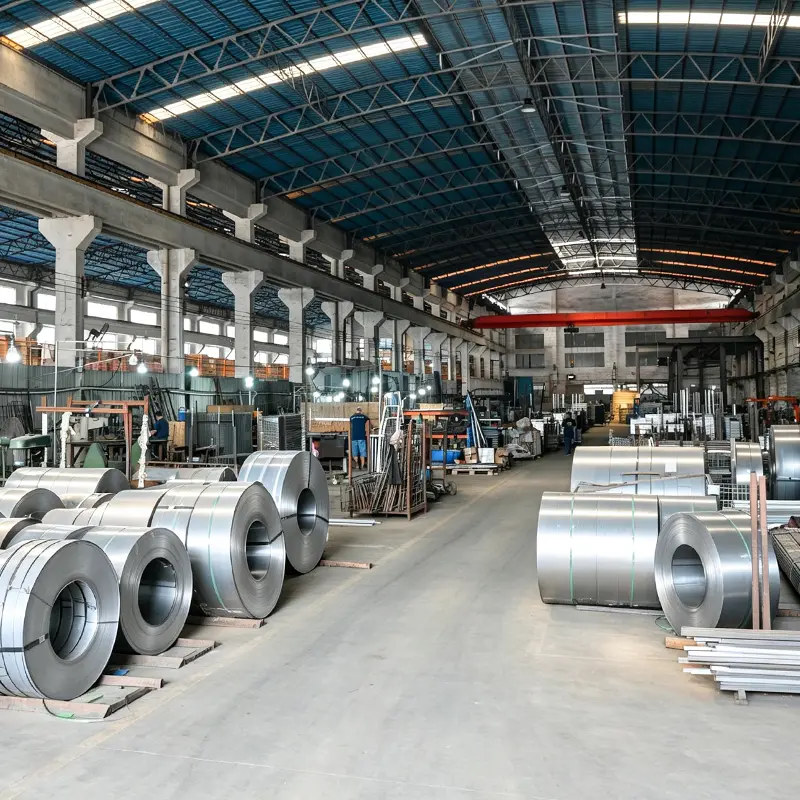
20+ Years Industry Expertise
Two decades of deep mechanical design and roll-forming engineering across manufacturing, metallurgy, automotive, chemicals, and retail logistics.
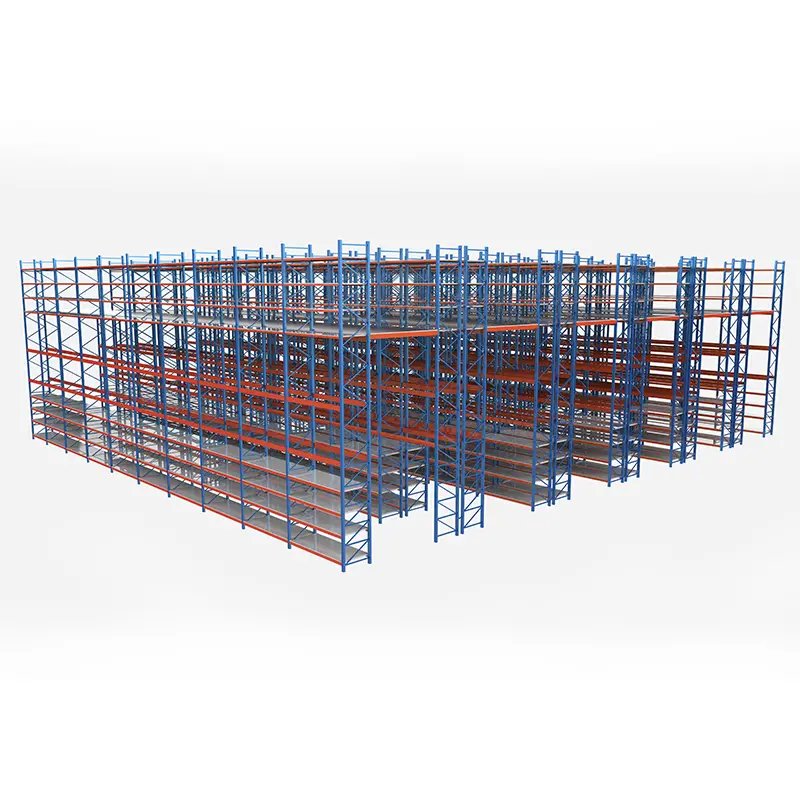
Free 3D & CAD Design
Our senior engineers draft complete structural layouts, 3D renderings, and load stress charts within 24 hours of receiving warehouse dimensions.
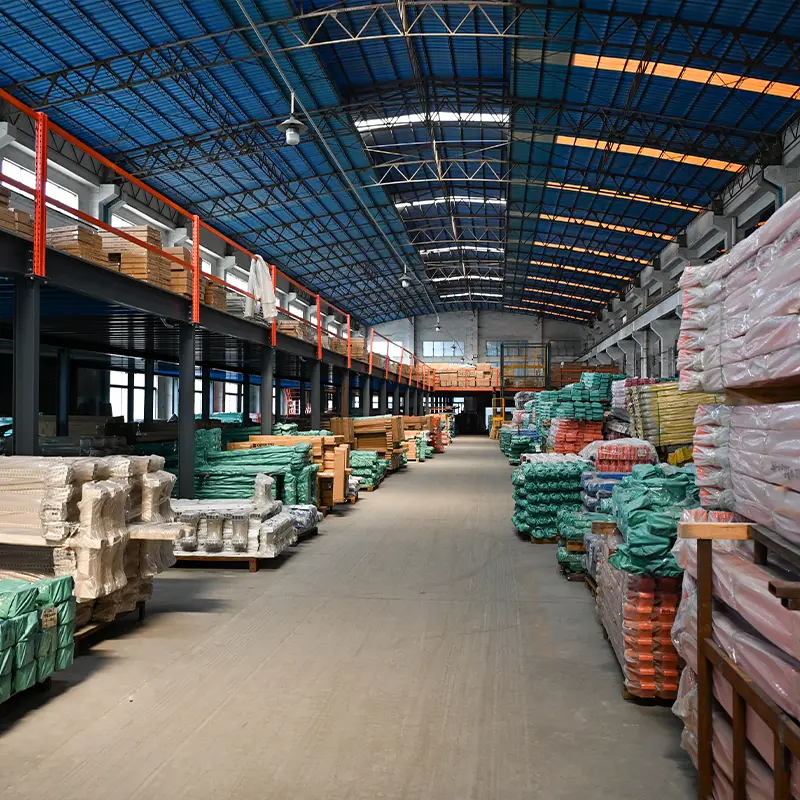
Certified Safety & Quality
Fully compliant with CE (Certificate No. 2435-CPR-8605159) and ISO 9001:2015 (Certificate No. 18624Q00169R0M). Every batch undergoes rigorous tensile and weld inspection.
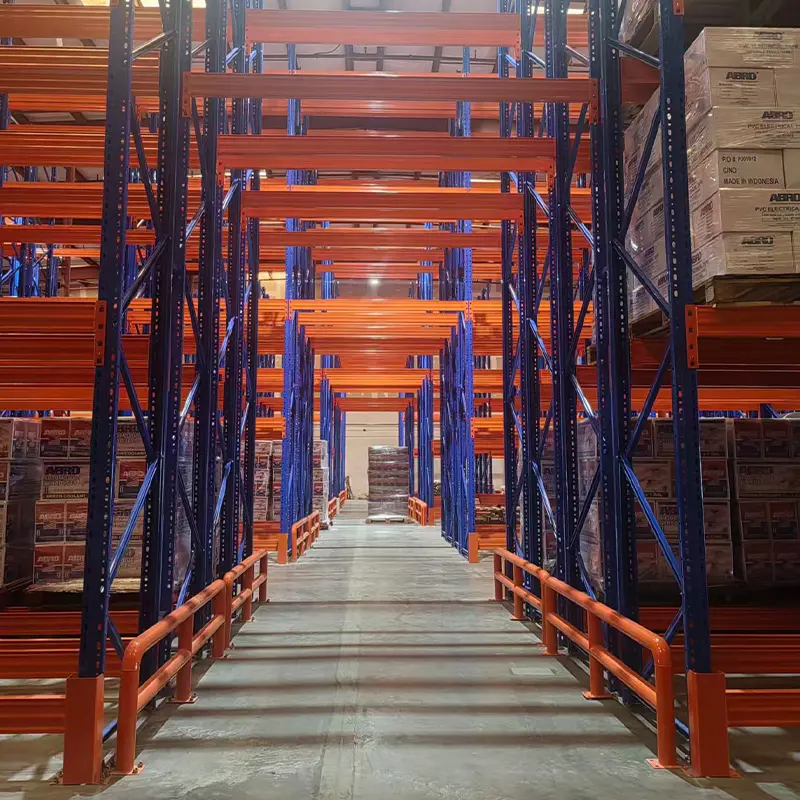
Tailored OEM & ODM Capability
Custom arm angles, removable retention end-stops, specialized roll diameters, powder coat RAL colors, and branded OEM column patterns engineered on demand.
10-Stage Precision Manufacturing & Quality Assurance Workflow
To maintain zero structural failure rates across heavy-duty cantilever installations worldwide, HEDA Shelves enforces a standardized 10-step quality control protocol at our Guangzhou production facilities:
Procurement FAQ: Critical Considerations for Global Buyers
Below are technical answers to common questions raised by plant engineers, supply chain directors, and warehouse operations managers regarding cantilever racking procurement: