High-Density Pallet Racking & Industrial Storage Portfolio
Explore our certified structural storage configurations, spanning high-density drive-in systems, smart radio-shuttle integrations, and heavy-duty structural steel platforms.
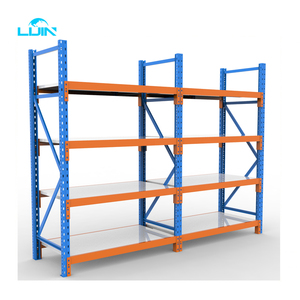
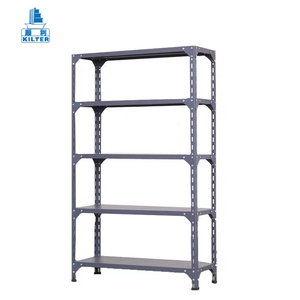
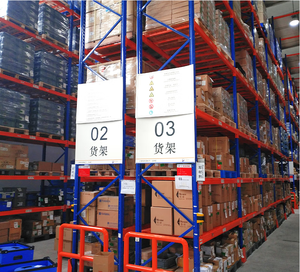
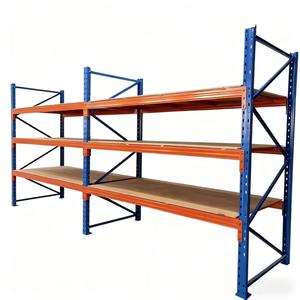
Engineering Strengths: Guangzhou Heda Shelves Co., Ltd.
Providing global logistics operators with full-stack structural rack manufacturing, advanced finite element calculation, and turnkey export handling.
Fully Integrated In-House Production
We manage all processes within our 30,000 m² factory: precision slitting, continuous CNC roll forming, automated multi-point punching, robotic welding, and automatic electrostatic powder-coating lines. This vertical integration guarantees dimensional tolerance compliance and eliminates subcontracting risk.
Verified International Compliance
Every structural system complies with EN 15512 and RMI standards. Our facilities operate under audited ISO 9001:2015 quality frameworks (Cert No. 18624Q00169R0M) and strict CE standard execution (Certificate No. 2435-CPR-8605159) alongside full RoHS compliance for environmentally sustainable finishing.
Free CAD, 3D Rendering & FEA Design
Our veteran engineering team delivers site-specific layout schemes within 24 hours. We incorporate forklift turn radius data, aisle-space balancing, floor-slab load capacity evaluations, and seismic safety factors to optimize warehouse footprint usage before steel profiling starts.
Tropicalized Surface Protection
For operations exposed to coastal air or monsoon humidity across Southeast and South Asia, our proprietary pickling, multi-stage acid washing, and hot phosphating treatment provide exceptional corrosion resistance, salt-spray durability, and extended lifespan in sub-zero cold rooms.
Container-Optimized Logistics
With thousands of export containers shipped to ports like Nhava Sheva, Mundra, Chattogram, Karachi, Colombo, and Southeast Asian hubs, our cargo stacking protocols maximize 40HQ volumetric capacity, minimizing landed shipping costs per pallet position.
Field Installation & EPC Support
Every shipment comes with piece-marked shop drawings, step-by-step structural erection diagrams, and video walkthroughs. We deploy experienced site commissioning supervisors globally to guide local rigging teams through plumb verification, anchoring, and final sign-off.
Technical Architecture & Development Trends in Drive-In/Through Racking
A rigorous comparative analysis of structural high-density storage configurations, engineered for project managers, supply chain directors, and warehouse architects.
1. Kinematic Mechanics and Structural Dynamics: Drive-In vs. Drive-Through
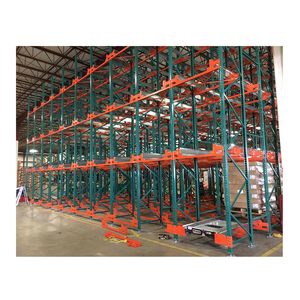
Drive-In and Drive-Through racking systems eliminate the conventional service aisles found in standard selective rack profiles. Instead, counterbalanced or reach forklifts enter the storage cube along guided rails. The structural distinction rests on access geometry:
Drive-In Racking (LIFO - Last In, First Out): The system uses a single combined entry and exit portal. Forklifts deposit and retrieve pallets from the same face. Because the rear boundary is braced by cross-diagonal vertical bracing towers, Drive-In systems feature higher lateral stiffness. This configuration is widely deployed in raw material cold rooms, seasonal agricultural stocks, and single-batch manufacturing reserves.
Drive-Through Racking (FIFO - First In, First Out): This system provides separate entry and exit aisles. Pallets are loaded from the back and picked from the front face. Because materials flow in one continuous direction, Drive-Through systems cannot use continuous transverse X-bracing along the outer bay. They require structural overhead tie-beams, rigid portal portal-frames, and reinforced ground anchors to absorb horizontal sway and braking forces.
| Engineering Attribute | Drive-In System (LIFO) | Drive-Through System (FIFO) | Radio Shuttle Integration |
|---|---|---|---|
| Inventory Rotation | Last-In, First-Out (LIFO) | First-In, First-Out (FIFO) | Software selectable (FIFO/LIFO) |
| Storage Density | Very High (Up to 80% cube utilization) | High (70% - 75% cube utilization) | Maximum (85%+ cube utilization) |
| Forklift Entry into Rack | Yes (Direct transit into inner lanes) | Yes (Direct transit through bay lanes) | No (Shuttle robot performs inner transit) |
| Structural Sway Resistance | High (Utilizes rear X-bracing) | Medium (Requires heavy top tie-beams) | Very High (Full transverse frame bracing) |
| Forklift Impact Risk | Elevated (Inner-bay maneuvering) | Elevated (Through-bay transit) | Minimal (Mast operations at dock faces only) |
| Capital Investment | Lowest per pallet position | Low-to-Moderate | Moderate-to-High (Automated carrier) |
2. Structural Evolutionary Trends: Material Optimization & Smart Integration
High-density racking is evolving from static steel skeletons into sensor-monitored, semi-automated storage engines:
High-Yield Thin-Wall Roll-Forming (Q355B / SS400): Modern racking uses certified micro-alloy cold-rolled coil steel. By combining cold roll-forming with multi-bend upright geometry (featuring up to 12 distinct bending planes), structural engineers can reduce dead weight while increasing resistance to torsional buckling and beam deflection.
Hybridization with Radio Shuttles: Operators are upgrading deep Drive-In bays with precision shuttle runner rails. Replacing forklift lane travel with automated lithium-iron-phosphate (LiFePO4) battery shuttle carriers reduces cycle times by up to 45% and virtually eliminates forklift impacts against uprights.
Integrated IoT Shock and Deflection Sensing: Advanced facilities in seismic regions now fit critical column baseplates with triaxial MEMS accelerometers and strain gauges. These sensors record structural stress and mast impacts, alerting maintenance teams before metal fatigue can compromise rack integrity.
Future Procurement Trends for Warehouse Racking (2025–2030)
Key procurement shifts shaping how global supply chain leaders specify, tender, and deploy industrial storage systems.
Turnkey EPC Racking Procurement
Global buyers are moving away from piecemeal sourcing (buying uprights from one vendor and decking or shuttle carts from another). Modern enterprise requests for proposals (RFPs) demand unified engineering, procurement, and construction (EPC) solutions. Suppliers must deliver layout drafting, structural calculations, component fabrication, fire sprinkler integration, and final load testing under one contract.
Standardization for Automation Readiness
Procurement teams are future-proofing static drive-in installations. Even when deploying manual counterbalanced forklifts today, buyers specify structural beam heights, ground-rail clearances, and rack tolerances compatible with automated guided vehicles (AGVs) and shuttle retrofits tomorrow.
Life-Cycle Carbon & ESG Traceability
Driven by corporate decarbonization targets, multinational logistics groups require documented metallurgical traceability. Buyers prioritize manufacturers using low-emission electric arc furnace (EAF) steel, solvent-free heavy metal compliant epoxy powders, and flat-pack shipping designs that minimize maritime fuel consumption.
Frequently Asked Questions: Sourcing & Engineering
Clear, practical answers addressing common questions from engineering and procurement professionals sourcing industrial racking from China.
What structural parameters are needed for a Drive-In/Through layout design?
Our engineers need: (1) Warehouse architectural drawings in DWG/CAD showing internal columns, clear roof height, and dock doors; (2) Pallet specifications including overall dimensions (W×D×H), bottom skid design, and maximum gross weight; (3) Mast lift height, overall collapsed height, and chassis width of your forklifts; and (4) Floor slab concrete grade, thickness, and local seismic zone data.
How do you protect Drive-In lanes from forklift collisions?
Because forklifts enter the rack bays directly, protection is built into the design. We install high-yield ground guide rails (structural angle or formed channel) along the lane floors to steer the forklift wheels. Upright bases feature welded heavy-duty wrap-around guards and solid steel bullnose floor protectors to absorb wheel and outrigger impacts.
How does HEDA guarantee steel quality and load capacity ratings?
We source certified structural steels (such as Q235B and Q355B) directly from primary domestic mills, accompanied by mill test certificates (MTC). Our production adheres to ISO 9001:2015 and CE EN 15512 specifications. Load ratings are calculated using finite element analysis (FEA) software and verified through internal destructive sample testing under supervision.
What surface coatings work best for low-temperature cold rooms?
For standard cold operations (0°C to -5°C), our multi-stage phosphate wash followed by cured epoxy-polyester electrostatic powder coating delivers reliable protection. For blast freezers operating down to -25°C or facilities with high ambient moisture, we supply continuous hot-dip galvanized components (per ISO 1461) to eliminate rust and coating peeling caused by thermal cycling.
Ready to Maximize Your Warehouse Storage Capacity?
Contact our structural engineering team today. We will review your warehouse architectural drawings and deliver a full CAD layout, structural calculation report, and export quotation within 24 hours.
Get a Quote