Featured Industrial Heavy-Duty Storage Systems
Engineered from premium cold-rolled structural steel (Q235B / Q355B), each heavy-duty system is custom-manufactured to optimize volumetric density, structural safety, and high-frequency pallet retrieval.
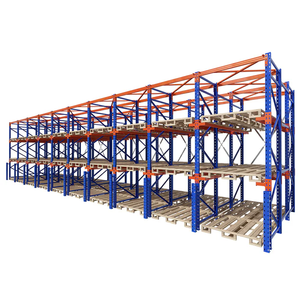
Drive-In Rack and Drive-Thru Racking Systems Are a Cost-effective Solution to High-density Pallet Storage
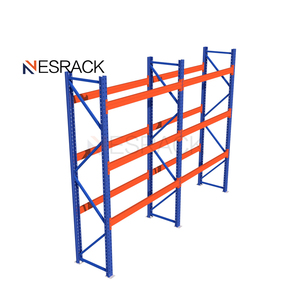
Customized Industrial Warehouse Pallet Rack Multi-Layer Adjustable Steel Shelves Units Metal Heavy Duty Selective Pallet Racking
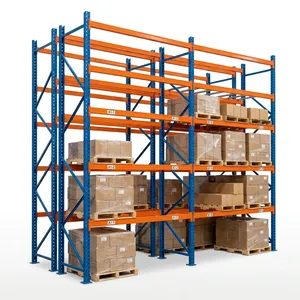
3000kg Adjustable Steel Pallet Rack Heavy Duty Boltless Shelving Anti-Rust Foldable Warehouse Storage
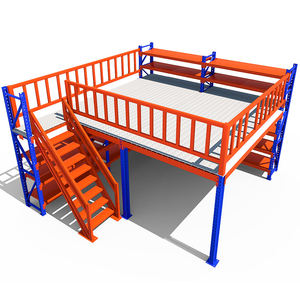
Steel Structure Mezzanine Floor Rack Platform
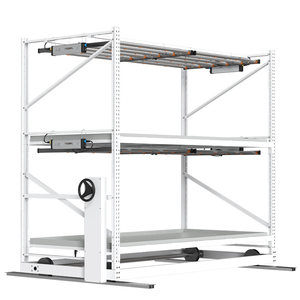
Manufacturer Of Hydroponic High Quality Ebb And Flow Vertical Propagation Multiple Tiers Vegetables Fruits Growing Rack
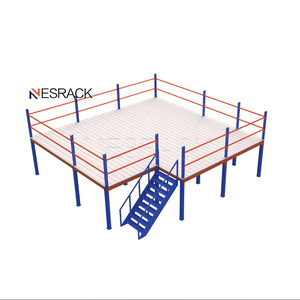
Attic Platform Heavy-duty Storage Shelf Building Workshop Warehouse Second Floor Steel Platform Mezzanine Racking System
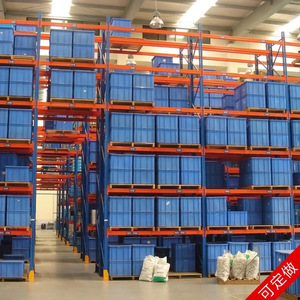
Heavy Duty Cold Rolled Steel Multi-Layer Pallet Racking High Bay Warehouse Storage System Epoxy Powder Coated Construction
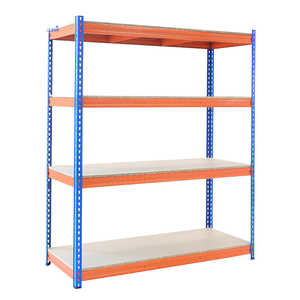
High-Load 5-Layer Steel Corrosion Protection Galvanized Automated Retrieval Adjustable Warehouse Shelves 150kg/layer Snap-In
Why Engineering Procurement Teams Partner with HEDA Shelves
Founded in 2001, Guangzhou Heda Shelves Co., Ltd. operates an integrated 30,000 m² smart manufacturing plant. We bypass trading intermediaries to deliver certified structural stability, custom OEM/ODM profile geometries, and end-to-end containerized export execution.
25+ Years Industrial Expertise
Over two decades of precision structural design and heavy steel fabrication. We have engineered more than 10,000 successful warehousing installations across 120+ countries worldwide.
CE & ISO 9001:2015 Validated
Fully compliant with European CE standard EN 15512 (Cert No. 2435-CPR-8605159), ISO 9001:2015 certified quality systems (No. 18624Q00169R0M), and strict RoHS chemical limitations.
Free CAD, 3D & FEA Calculations
Our dedicated in-house structural engineering team provides complete 2D layout drawings, 3D BIM spatial models, and finite element stress calculations before metal ever enters roll-forming.
Full OEM/ODM Steel Customization
Complete proprietary tool die design, custom column hole pitches (50mm / 75mm / 76.2mm), tailored epoxy powder shades (RAL matching), and high-load welded connector integration.
Structural Architecture & Load Calculation Standards
Designing industrial-grade pallet racking requires rigorous mechanical calculations. Deflection criteria, steel metallurgy, torsional rigidity, and anchor shear capacities determine long-term operational safety.
Cold-Formed High-Yield Metallurgy (Q235B vs Q355B)
HEDA heavy-duty upright frames and load beams are roll-formed from cold-rolled steel coils with verified yield strengths exceeding 235 MPa to 355 MPa. Cold roll-forming imparts cold work hardening, concentrating additional strength along frame radii and flanges where compressive and torsional stress vectors peak under multi-tier pallet loadings.
In accordance with EN 15512:2020 and RMI (Rack Manufacturers Institute) MH16.1, our beam deflection limits are strictly held within 1/200th of the clear span length (L/200) under maximum uniform distributed load (UDL). This completely prevents structural sagging, forklift binding, and localized weld fatigue.
| Racking System | Load / Tier | Space Density | Throughput Mode |
|---|---|---|---|
| Selective Pallet Racking | 1,000–4,500 kg | Baseline (100% Access) | Random Multi-SKU |
| Drive-In / Drive-Thru | 1,000–2,000 kg/plt | High (+75% Floor Gain) | Batch LIFO / FIFO |
| Push-Back Cart Racking | 1,500 kg/lane | Medium-High (2–5 Deep) | Gravity Assist LIFO |
| Radio Shuttle System | 1,500–2,000 kg/plt | Ultra-High (Automated) | Automated FIFO / LIFO |
| Structural Mezzanine | 300–1,200 kg/m² | 2x–3x Floor Surface | Mixed Picking / Bulk |
Technological Shifts in Warehouse Racking Architecture
Warehouse management is shifting toward hyper-dense, automated, and sensor-monitored infrastructures. Forward-looking procurement directors must specify racking hardware engineered to integrate with future automation layers.
AS/RS & Radio Shuttle Integration
Rising warehouse labor costs and real estate square-foot lease rates are accelerating the shift from manual forklift driving to semi-automated radio shuttles and automated storage and retrieval cranes (AS/RS). Modern OEM rack uprights require ±0.5 mm continuous roll-forming tolerance to prevent autonomous pallet carriers from snagging on guide rails.
- Sub-millimeter guide rail leveling tolerances
- Built-in photoelectric sensor brackets and stops
Cold-Chain & Galvanized Metallurgical Armor
Sub-zero cold storage facilities for pharmaceuticals and frozen food induce steel embrittlement and aggressive condensation cycles. Procurement specifications increasingly favor pre-galvanized or hot-dip galvanized (HDG) column uprights and beams over standard paints to resist ASTM B117 salt spray oxidation for over 1,000 continuous hours.
- Non-flaking zinc coating for cold rooms down to -30°C
- Zero VOC thermoset epoxy-polyester coatings
Dynamic Seismic Engineering & Real-Time Deflection
Global building codes mandate stricter seismic engineering standards for high-bay storage. Modern OEM rack suppliers must run structural finite element models simulating spectral acceleration zones. Future installations also embed RFID and strain-gauge sensors along load beams to alert warehouse operations of micro-deflections before progressive collapse occurs.
- Oversized seismic base plates with multi-bolt anchoring
- Heavy-gauge X-bracing and top-tie stabilization portal beams
How Enterprise Buyers Audit an OEM/ODM Rack Manufacturer
Procuring warehouse racking on CIF or FOB terms requires auditing manufacturing consistency, steel provenance, and containerization packing density to protect landed total cost of ownership (TCO).
Steel Coil Traceability & Yield Audits
Always demand mill test certificates (MTC) verifying carbon, manganese, and silicon chemical composition. Ensure your supplier works with certified hot/cold rolled coils to prevent brittle shearing during automated punching.
Pre-Treatment & Powder Adhesion Testing
Inquire whether the factory applies an automated multi-stage pickling and phosphating wash prior to powder spraying. Inferior degreasing causes paint to delaminate and flake under normal forklift pallet abrasion.
Container Cube Efficiency & Freight Optimization
Heavy industrial steel freight costs depend directly on container loading skills. HEDA's automated nested beam packaging and strapped upright bundles guarantee 92%+ cubic utilization in 40ft HQ containers, drastically lowering landed freight per pallet slot.
Frequently Asked Questions by Industrial Buyers
Clear, engineering-backed answers addressing structural design parameters, lead times, export logistics, and OEM customization capabilities.
Plan Your Warehouse Optimization Project Today
Connect with our senior structural engineering team. Submit your warehouse floor plan, clear height dimensions, or project tender specifications to receive a free 2D CAD layout, 3D spatial rendering, and competitive direct factory quotation within 24 hours.
Contact Us