Engineered Storage Catalog
Comprehensive portfolio of certified, custom-manufactured pallet racking profiles, modular warehouse shelving, and industrial mezzanines engineered to seismic, mechanical, and dynamic load standards.
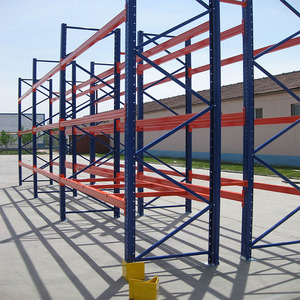
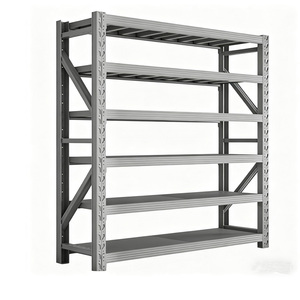
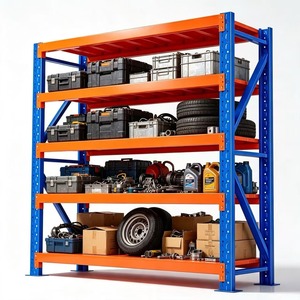
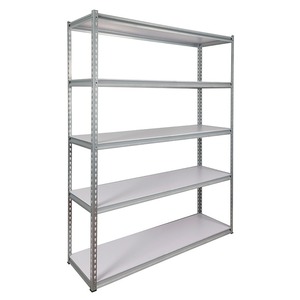
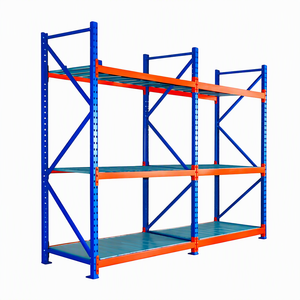
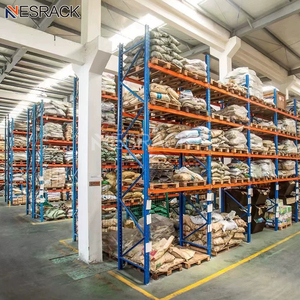
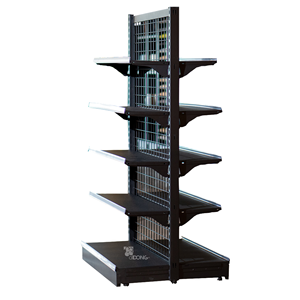
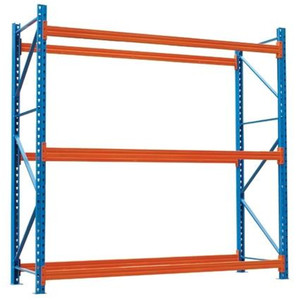
Industrial Production Capacity & Corporate Excellence
Operating as a certified Tier-1 manufacturing partner, Guangzhou Heda Shelves Co., Ltd. provides robust, direct-factory production backed by complete structural traceability.
Modern high-bay logistics facilities demand absolute dimensional tolerance and verifiable metallurgical yield strengths. At Guangzhou Heda Shelves Co., Ltd., our continuous investment into high-tonnage automated rolling lines, computer-controlled cold punching arrays, and multi-axis welding robots eliminates the geometric deviances commonly found in fragmented supply networks.
From initial hot-rolled coil slitting to automated 10-stage pre-treatment, our plant strictly follows ISO 9001:2015 Quality Management standards. Every upright column, box beam, and bracing connector undergoes non-destructive load validation, cross-cut adhesion testing, and full traceability logging. This provides systems engineering firms, 3PL aggregators, and commercial plant operators with structurally unyielding racking solutions engineered for extreme operational cycles.
Advanced OEM & ODM Engineering
We produce customized roll-formed profile designs, proprietary upright slotting configurations (such as diamond, teardrop, and butterfly pitches), customized beam gauge profiles, and OEM branding badges built strictly to your commercial technical drawings.
Integrated 3D CAD & Structural Calculations
Our dedicated structural engineering team develops full layout blueprints, seismic moment estimations, aisle turning tolerance maps, and finite element modeling (FEM) stress tests to optimize your space utilization before metal forming begins.
Severe Environment Finishing Lines
We deploy industrial-grade pickling and phosphating pre-treatments followed by continuous electrostatic powder coating. This ensures that every racking upright, beam, and cantilever profile resists peeling, corrosion, and oxidation even in unconditioned sub-tropical and coastal facilities.
Procurement & Warehouse Development Trends
Key economic and architectural shifts shaping modern material handling, multi-tier mezzanine engineering, and pallet rack sourcing strategies.
Vertical Cubic Expansion Over Real Estate Acquisition
With industrial land values rising across logistics corridors, procurement directors are turning to high-bay rack-supported mezzanine floors and multi-tier structural steel platforms (300kg to 1,000kg/m² load ratings) to triple storage space without expanding structural building footprints.
Automation-Ready Static Frameworks
Standard selective racking is being upgraded to accommodate automated guided vehicles (AGVs), Autonomous Mobile Robots (AMRs), and four-way radio shuttle channels. Modern profiles require tighter rail level tolerances and precision-punched hole patterns to interface smoothly with digital logistics equipment.
Thermal Efficiency in Cold-Chain Operations
Surging global cold-chain activity requires drive-in, push back, and automated shuttle racking engineered for thermal cycling down to -30°C. Buyers are increasingly specifying specialized low-temperature alloy steels and heavy hot-dip galvanized finishes to prevent cold-embrittlement failures.
Direct-from-Source OEM Supplier Consolidations
Global supply chain managers are bypassing domestic trading middlemen. Direct partnerships with certified Chinese manufacturers enable custom steel thickness profiles, container-maximized nested packing, and significantly lower landed costs per pallet position.
Procurement & Technical Engineering FAQ
Comprehensive answers to frequent questions regarding technical specifications, container logistics, structural compliance, and customization parameters.
Q1: How does HEDA ensure steel quality and consistent load capacity ratings across custom OEM/ODM production batches?
Every production cycle starts with certified Q235B or Q355B cold-rolled and hot-rolled steel coils verified via mill test certificates (MTC). Our quality control engineers perform in-line tensile testing, chemical composition checks, and profile thickness verifications. Certified structural engineering calculations determine frame deflection thresholds under EN 15512 and RMI design standards, ensuring our rated working load limits include certified safety factors between 1.5 and 1.95.
Q2: What design data is required to generate a structural warehouse layout and formal quotation?
To produce an optimized CAD proposal and load model, our engineering office requires: architectural warehouse drawings (CAD or dimensioned PDF) displaying column placement, overhead clear heights, unobstructed floor space, and fire sprinkler clearances; slab thickness and concrete grade; complete pallet specifications (width, depth, overall height including cargo overhang, and maximum pallet gross weight); operating forklift models along with their mast lift height and turning aisle constraints; and operational environmental variables such as ambient temperature or seismic zone classifications.
Q3: Can HEDA engineer racking solutions for active seismic zones and unrated floor slabs?
Yes. Our engineering department regularly calculates custom base-plate footings, heavy-duty wedge anchoring patterns, overhead portal ties, and diagonal cross-bracing configurations to distribute point-load stresses across slabs of varying thickness. For active seismic regions, we compute seismic response spectra and horizontal inertia forces, optimizing upright profiles and dynamic connection pins to safeguard personnel and stock against ground acceleration events.
Q4: How are mezzanine systems engineered to comply with building codes and mixed-use operations?
Our structural steel mezzanines and rack-supported picking platforms are designed as standalone, engineered frames. Primary steel I-beams, cold-formed secondary C/Z purlins, high-strength structural connection bolts, and decking surfaces (such as galvanized steel grating, solid non-slip steel checkered plates, or high-density timber systems) are sized based on specific load demands (300 to 1,000+ kg/m²). We incorporate self-closing pallet drop-gates, OSHA-compliant handrails with integrated kickplates, and pre-engineered egress stair towers.
Q5: How does container nesting and bundle packing reduce international landed logistics costs?
Freight volume optimization is a core component of our OEM/ODM design process. Upright frames are either shipped knock-down (assembled on-site with high-tensile hardware) or profile-nested to eliminate dead air. Beams are stacked with interlocking timber and protective cushioning to eliminate transit abrasion, while hardware and base accessories are palletized in heavy-duty wooden crates. This engineering approach consistently delivers 95%+ volumetric container utilization across standard 20GP and 40HQ configurations.