Engineering Structural Racks for Next-Gen Distribution & Cold Chains
A comprehensive procurement guide covering technical metallurgy, seismic calculation guidelines (RMI / FEM 10.2.02 / AS4084), anti-corrosion chemistry, and international freight container optimization.
Future Procurement Trends: Total Cost of Ownership (TCO) & Modular Standardization
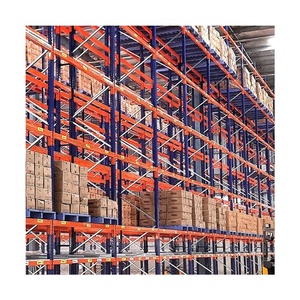
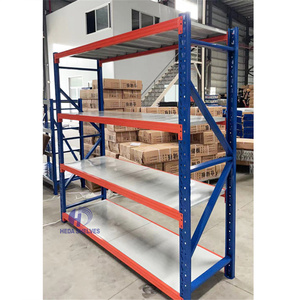
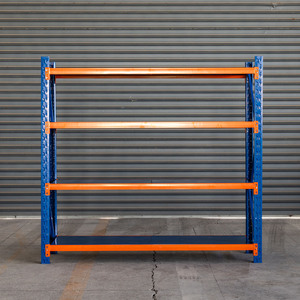
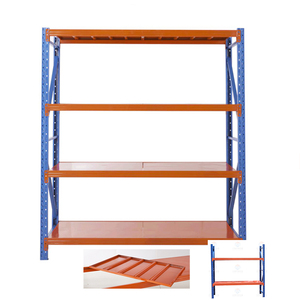
In modern industrial warehouse development, procurement strategies are rapidly shifting from initial Capex-focused purchasing to comprehensive Total Cost of Ownership (TCO) lifecycle modeling. As global supply chain networks face volatile shipping schedules, strict building seismic codes, and skyrocketing land lease rates, the demand for certified Custom OEM Custom Pallet Racking Exporters has outgrown off-the-shelf catalog sourcing. Enterprise logistics planners and EPC contractors now focus on three structural procurement shifts:
1. High-Tensile Micro-Alloy Steel (Q235B vs. Q355B)
To reduce shipping weight per pallet position without sacrificing dynamic rack integrity, Tier-1 manufacturing facilities deploy high-yield cold-rolled coils (Q355B/SS400). This engineering choice increases moment capacity by up to 30% while reducing container ocean-freight expenses on transcontinental bulk shipments.
2. Pre-Engineered Automation & ASRS Compatibility
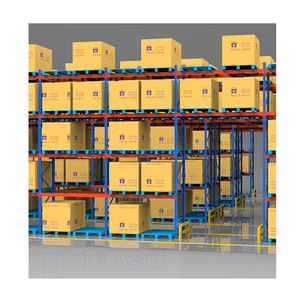
Modern selective racks and drive-in setups are increasingly specified with robotic deflection tolerances (less than 1/200th of span length). This ensures racking channels can seamlessly interface with future automated guided vehicles (AGVs), automated storage and retrieval shuttles (ASRS), and vision-guided forklift sensors.
Technological Trends: Surface Integrity, Cold-Chain Engineering & Traceability
Modern warehouse logistics require racking systems capable of withstanding extreme environmental stress. In coastal tropical hubs and refrigerated cold-chain environments, atmospheric rust and condensation failure represent major operational hazards. Global exporters lead with advanced chemical pretreatments:
Our ISO-certified manufacturing protocol utilizes an 8-stage automated immersion cycle featuring degreasing, ultrasonic rust removal, and specialized phosphating before continuous electrostatic powder coating. For sub-zero blast-freezing environments (-30°C) or highly humid coastal ports, heavy-duty continuous hot-dip galvanizing (HDG complying with ISO 1461) eliminates zinc flaking and micro-fractures, ensuring an operational service life exceeding 20 years.
| Racking Topology | Standard Yield Strength | Pallet Access Rate | Aisle Width Reqd. | Optimal Industry Sector |
|---|---|---|---|---|
| Selective Pallet Racking | Q235B / Q355B (Cold Rolled) | 100% Immediate Direct Access | 3.0m – 3.8m (Standard) | 3PL Central DCs, FMCG, Retail Fulfillment |
| Drive-In / Drive-Through | Heavy Structural C-Section | 20% – 30% (LIFO / FIFO) | Dedicated Drive-in Rails | Beverage Manufacturing, Cold Storage, Produce |
| Radio Shuttle Automation | Galvanized Running Rails / Q355B | High Lane Density (FIFO/LIFO) | Single Transfer Aisle | Pharmaceuticals, Meat & Seafood, Bulk Frozen |
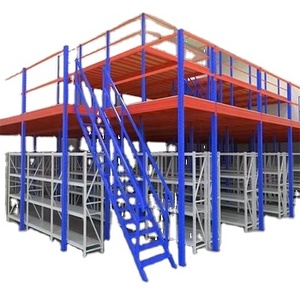
| Rack-Supported Mezzanine | Welded Box Beam / Structural I | Multi-Tier Picking Decking | Customized Walkways | E-commerce Sortation, Spare Parts Distribution |
| Cantilever Storage Rack | Hot-Rolled Structural H-Beam | 100% Unobstructed Face | 3.2m – 4.5m Side Loading | Steel Tubing, Timber, PVC Pipes, Building Supply |
Export Engineering: Container Cube Optimization & Site Erection Support
A major hidden cost driver in international racking procurement is ocean-freight volume inefficiency. Upright frames and long horizontal beams can easily result in container "cubing out" long before meeting weight limits if nesting geometries are neglected. Professional OEM exporters utilize precision nested roll-formed column profiles and bundled component strapping, maximizing 40ft High Cube (40HQ) load efficiency to 98% capacity.
Furthermore, all exported batches feature standardized laser-etched component markers matched to verified 3D CAD fabrication blueprints and installation sequencing videos. This simplifies deployment for local mechanical contractors, reducing on-site structural assembly time by up to 40%.