High-Performance Warehouse Roller & Pallet Racking Series
Manufactured using cold-rolled high-tensile Q235B/Q355B steel profiles, designed for demanding industrial supply chains, cold storage facilities, and high-turnover fulfillment centers.
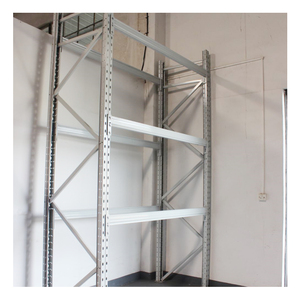
Heavy Duty Boltless Shelf Rack Adjustable Metal For Warehouse Storage Steel Low Price
- Fully Adjustable Beam Levels
- Rapid Boltless Assembly
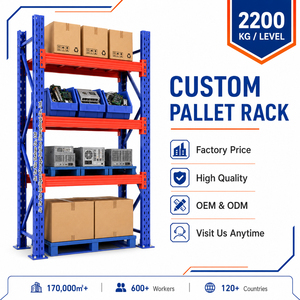
Heavy Duty Pallet Rack System 2200KG Per Level For Electronic Components And Warehouse Plastic Storage Bin Crate
- Up to 2,200kg Load/Level
- Electronic & Plastic Bin Compatible
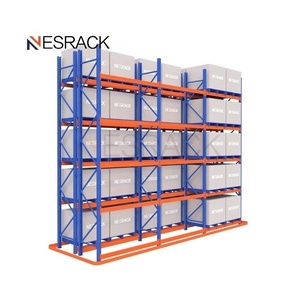
High Density Heavy Duty Steel Storage Warehouse Rack Very Narrow Aisle VNA Selective Pallet Racking
- Maximum Vertical Density
- 100% Selective Pallet Access
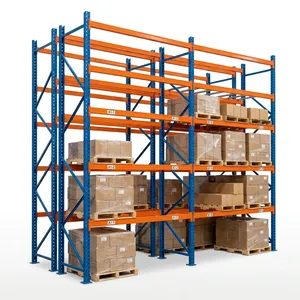
3000kg Adjustable Steel Pallet Rack Heavy Duty Boltless Shelving Anti-Rust Foldable Warehouse Storage
- 3,000kg Heavy Duty Capacity
- Anti-Rust Powder Coating
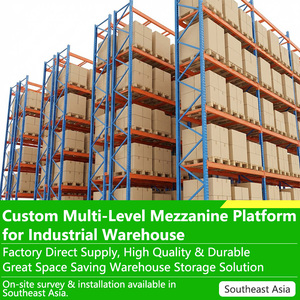
Pallet Rack Heavy Duty Clip Type Forklift Compatible Mezzanine Boltless Snap Shelving Industrial Warehouse Rack Cold Rolled
- Clip-Type Snap Connection
- Mezzanine Floor Integration
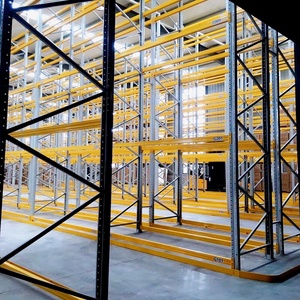
Pallet Racking Warehouse Storage Heavy Duty Industrial Pallet Shelf Narrow Aisle Selective Warehouse Racking System
- Forklift Compatible Channels
- Optimized Picking Velocity
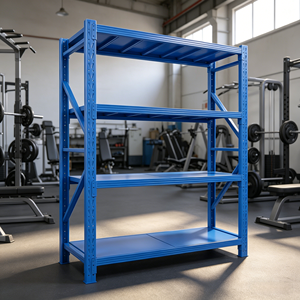
Industrial Warehouse Racking System for Pallet Management Heavy Duty Steel Rack
- Heavy Duty Structural Frame
- Custom Pallet Size Design
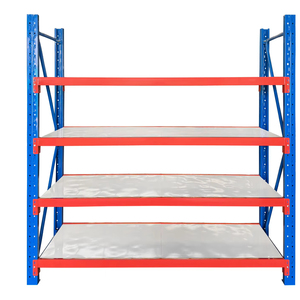
Heavy Duty Industrial Shelves Cargo Steel Warehouse Iron Metal Pallet Racking Bolt Structure Carton Storage Rack
- Bolt-Rigid Frame Stability
- Multi-Tier Storage Expansion
Engineering Architecture of Industrial Roller & Gravity Pallet Flow Racking
Roller racking systems—frequently classified under Gravity Pallet Flow Racking and Live Roller Storage Racking—represent the zenith of non-powered high-density dynamic storage engineering. Operating on the immutable physical principle of gravitational acceleration along a precisely calculated decline angle (typically between 3.0° to 4.5°), these systems transform passive vertical volume into a continuous, self-buffered material handling conduit.
As premier Chinese structural racking manufacturers, Guangzhou Heda Shelves Co., Ltd. designs and fabricates modular roller track systems that eliminate unnecessary forklift travel aisles, drastically reducing floor footprint consumption by up to 60% compared to traditional static selective racking layouts. By providing continuous First-In, First-Out (FIFO) stock rotation, roller racking guarantees flawless inventory aging management for time-sensitive, perishable, or high-velocity SKUs.
Core Engineering Fact: HEDA Roller Track modules utilize precision-machined heavy-duty cylindrical rollers equipped with dust-sealed ball bearings and dynamic magnetic eddy-current brake rollers. This engineered dynamic prevents runaway pallet velocity, maintaining a controlled, safe kinetic speed under 0.3 m/s regardless of pallet load variations (ranging from 300 kg to 1,500 kg per pallet position).
Critical Component Breakdown of HEDA Dynamic Roller Tracks
A resilient live roller racking installation relies on the seamless interaction of mechanical components designed to withstand repeated shock loading, thermal expansion, and continuous friction over decades of operation:
Heavy-Duty Roller Beds
Manufactured from zinc-galvanized cold-drawn seamless steel tubes or high-impact poly-coated rollers. Fitted with anti-friction steel ball bearings designed for over 100,000 operational continuous rotation hours.
Centrifugal Brake Rollers
Custom-spaced magnetic braking rollers automatically engage higher friction drag as pallet movement accelerates. Eliminates kinetic runaway and preserves pallet integrity at the discharge face.
FIFO Pallet Separator Mechanism
Mechanical safety locks isolate the front discharge pallet from the pressure of rear line pallets. Releases back pressure, allowing forklifts to lift the lead pallet safely without pinch-point resistance.
Future Procurement Trends in Industrial Roller Racking Systems
As global supply chains navigate labor shortages, escalating real estate costs, and demanding ESG (Environmental, Social, and Governance) targets, industrial procurement managers are shifting from legacy static racking to automated dynamic storage. Understanding these emerging trends enables warehouse operators to future-proof their capital investments.
1. Integration with Autonomous Mobile Robots (AMRs) & Automated Guided Vehicles (AGVs)
Modern warehousing is rapidly phasing out manual forklift loading on roller racking input lanes. Next-generation dynamic roller racks are engineered with micro-location sensors, laser-reflective alignment plates, and specialized input funnels compatible with AMR fork attachments. Procurement strategies now prioritize racking manufacturers who provide precision tolerance tolerances (±1.5mm structural variance) necessary for robotic handling interface.
2. Cold-Chain Resilient Galvanized Roller Formulations
With global cold chain demands skyrocketing in pharmaceuticals, frozen food distribution, and fresh agritech, dynamic roller racks must operate reliably in extreme sub-zero environments (down to -30°C). Traditional lubricants freeze and rubberized rollers become brittle. Emerging procurement specifications demand food-grade low-viscosity synthetic synthetic greases, stainless steel internal springs, and hot-dip galvanized structural steel frames to resist severe condensation corrosion.
3. Modular "Plug-and-Play" Retrofit Roller Channels
Supply chain flexibility requires rapid infrastructure adaptability. Leading logistics centers avoid permanent, non-reconfigurable welded racking. Procurement teams prefer standardized modular roller bed assemblies that clip directly into standard selective teardrop or box beam uprights, allowing seamless conversion from static selective storage to high-density live pallet flow within hours.
4. Eco-Conscious Zero-Energy Material Handling
Unlike fully automated AS/RS (Automated Storage and Retrieval Systems) requiring continuous multi-kilowatt electrical power grid infrastructure, gravity roller racking operates on zero power input. Procurement trends heavily favor roller systems as carbon-neutral storage upgrades, qualifying industrial facilities for green building standards such as LEED and BREEAM certification.
Industry Evolution: From Simple Gravity Slides to Smart Dynamic Live Storage
The historical evolution of roller racking systems reflects the broader advancement of structural steel metallurgy, kinetic shock absorption mechanics, and precision manufacturing tolerances in China's industrial hardware ecosystem.
| Historical Phase | Structural Steel Profile | Roller & Bearing Specs | Braking & Safety Tech | System Operational Capability |
|---|---|---|---|---|
| 1st Gen: Static Slopes | Hot-rolled mild iron channels | Unsealed plastic wheel tracks | None (Manual wooden stops) | Shallow lanes (2-3 pallets deep), high jam risk |
| 2nd Gen: Steel Live Racks | Cold-formed Q235 steel beams | Uncoated steel tubes, basic bearings | Mechanical friction brake pads | Medium lanes (5-8 pallets deep), load limitations |
| 3rd Gen: Precision Flow | Q355B High-tensile steel roll profile | Galvanized coated steel, sealed bearings | Centrifugal dynamic brake rollers | Deep lanes (10-15 pallets deep), controlled speed |
| Current Gen: Smart Dynamic | FEA-optimized cold-rolled structural steel | Polyurethane non-marking rollers, ultra-low temp bearings | Magnetic eddy-current brakes & auto-lock separators | Ultra-deep lanes (20+ pallets deep), AMR/AGV integrated, 1,500kg load rating |
China's transformation into the world's primary manufacturing hub for industrial warehouse storage systems stems from complete supply-chain integration. From raw steel coil processing at Baosteel or Ansteel to precision automated robotic welding lines and multi-stage powder coating chambers, Chinese manufacturers deliver industrial roller systems that match or exceed Western performance benchmarks at a highly competitive total cost of ownership (TCO).
25+ Years of Structural Storage Engineering Authority
Founded in 2001, Guangzhou HEDA Shelves Co., Ltd. operates a premier 30,000 m² state-of-the-art manufacturing plant in Guangzhou, South China. Driven by a dedicated engineering team of over 300 skilled professionals, we hold verifiable global quality credentials and supply world-class storage solutions worldwide.
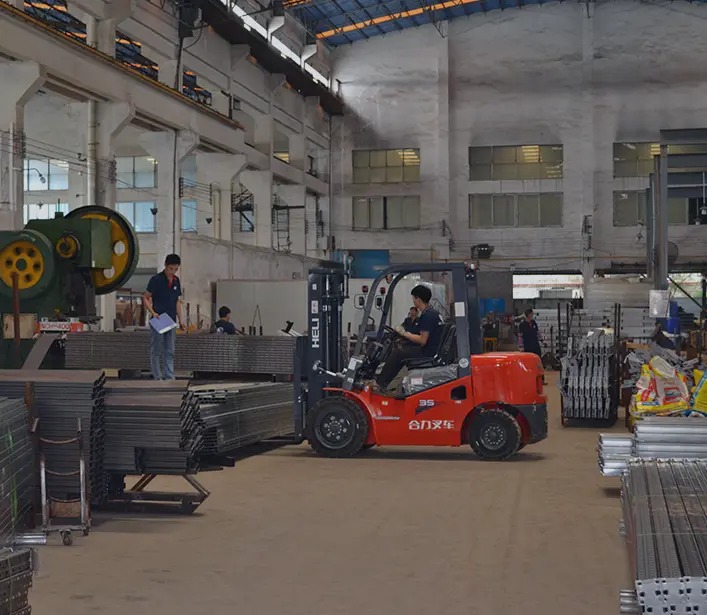
Verified Quality Control & Superior Pretreatment Standards
The longevity of steel dynamic racking in harsh warehouse conditions depends heavily on surface preparation. Unlike budget suppliers who skip critical chemical cleaning, HEDA enforces a strict 10-stage automated pre-treatment and electrostatic powder coating process:
- Certified Quality Standards: Official CE Certificate No. 2435-CPR-8605159, ISO 9001:2015 Certification No. 18624Q00169R0M, and complete RoHS compliance.
- Multi-Stage Chemical Pickling & Phosphating: Removes all mill scale, rust, and surface oils to create a dense, corrosion-resistant conversion coating for maximum paint adhesion.
- Free Engineering CAD & 3D Layout Simulation: We provide complimentary structural load calculations, warehouse space optimization blueprints, and 3D renderings within 24 hours of inquiry.
- 30,000 Tons Monthly Production Capacity: Automated cold-roll forming mills and continuous robotic welding lines ensure fast turnaround times for large-scale logistics hub projects.
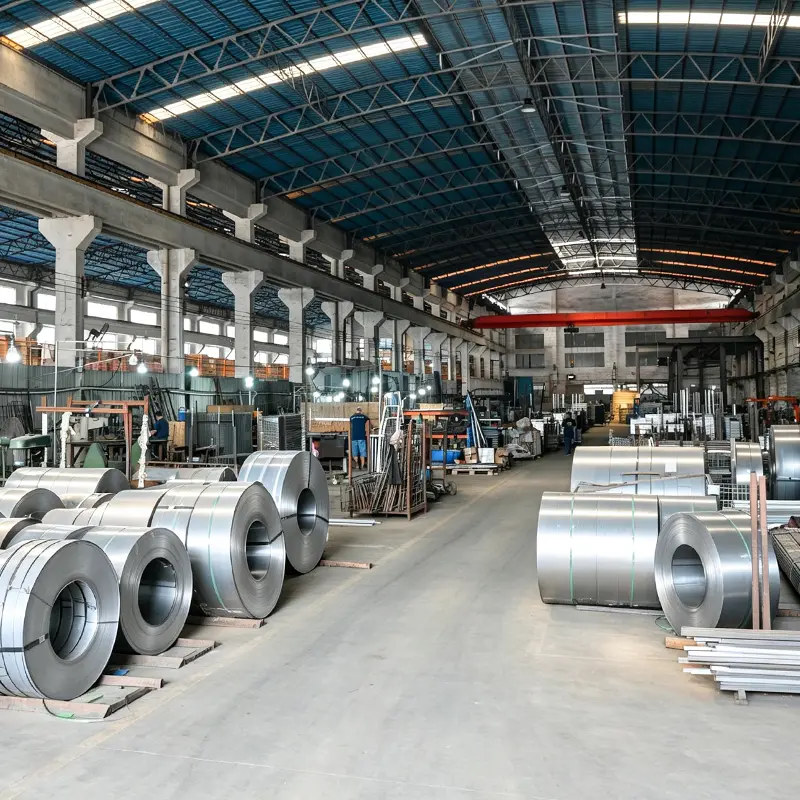
25+ Years Experience
Proven track record engineering industrial storage racks across food & beverage, cold chain, pharmaceutical, and 3PL warehousing sectors.
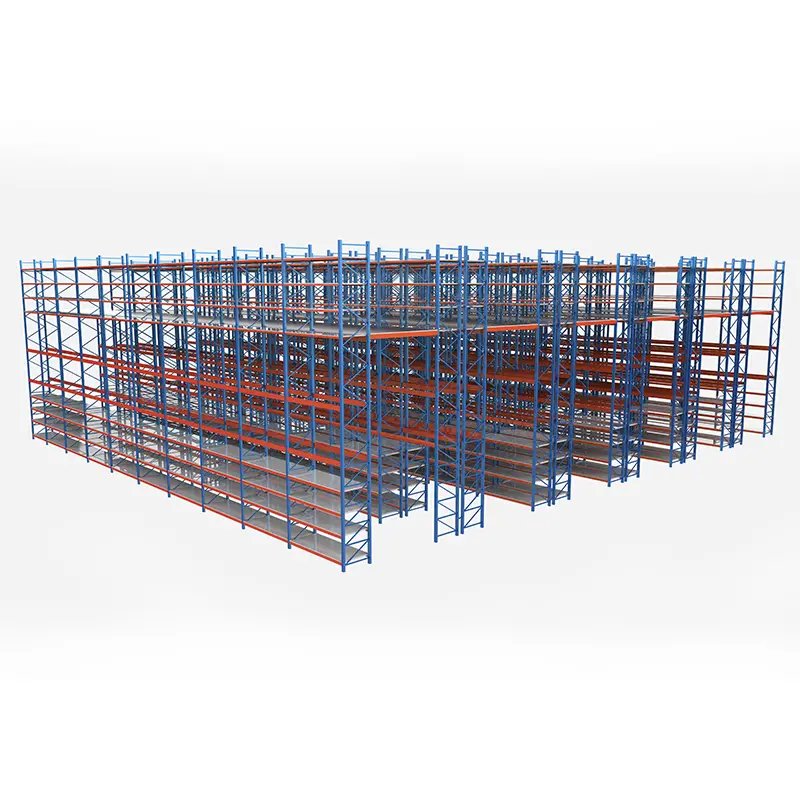
Free CAD & 3D Engineering
Our dedicated structural engineers draft optimized warehouse layouts tailored specifically to your slab specs, pallet dimensions, and forklift turning radius.
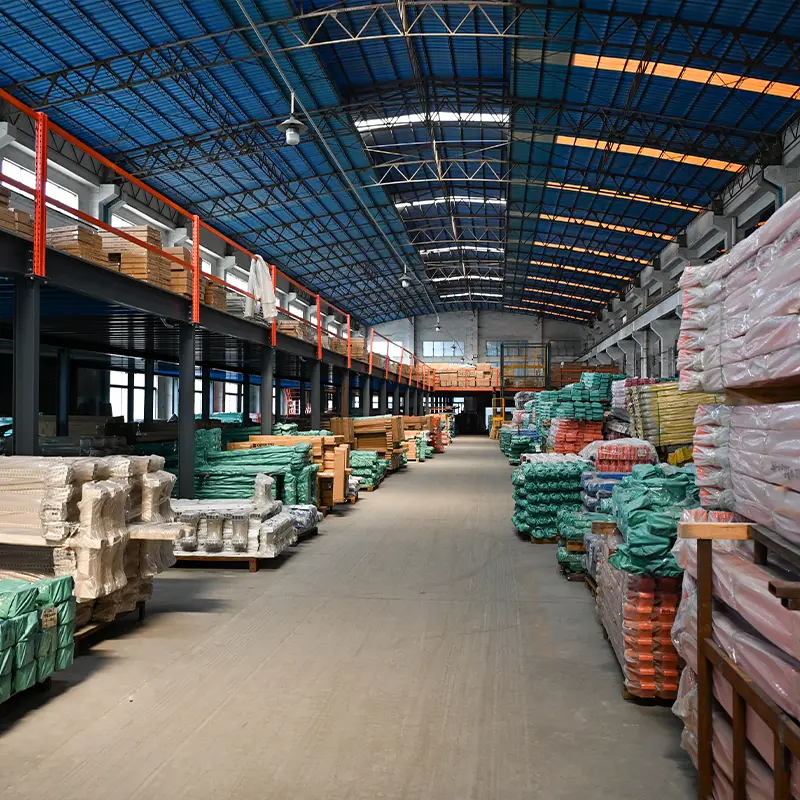
Rigorous Quality Assurance
100% batch steel coil testing, weld defect ultrasonic inspection, powder thickness checks, and test loading before ocean container dispatch.
Frequently Asked Procurement & Technical Questions (FAQ)
Get direct answers from HEDA's senior structural engineering team regarding specifications, slope selection, maintenance, shipping logistics, and customization options.
Ready to Maximize Your Warehouse Floor Space by Up to 60%?
Partner with China's leading dynamic roller racking & pallet flow engineering manufacturer. Get expert technical consultation, structural load analysis, and free 3D/CAD layout designs today.